Wearables 101: Picking the Best Smartwatch and Fitness Tracker
Confused by wearables? Learn how to choose the right smartwatch or fitness tracker by comparing features, sensors, battery life, apps, and budget.
What Wearables Do, and Why They Matter
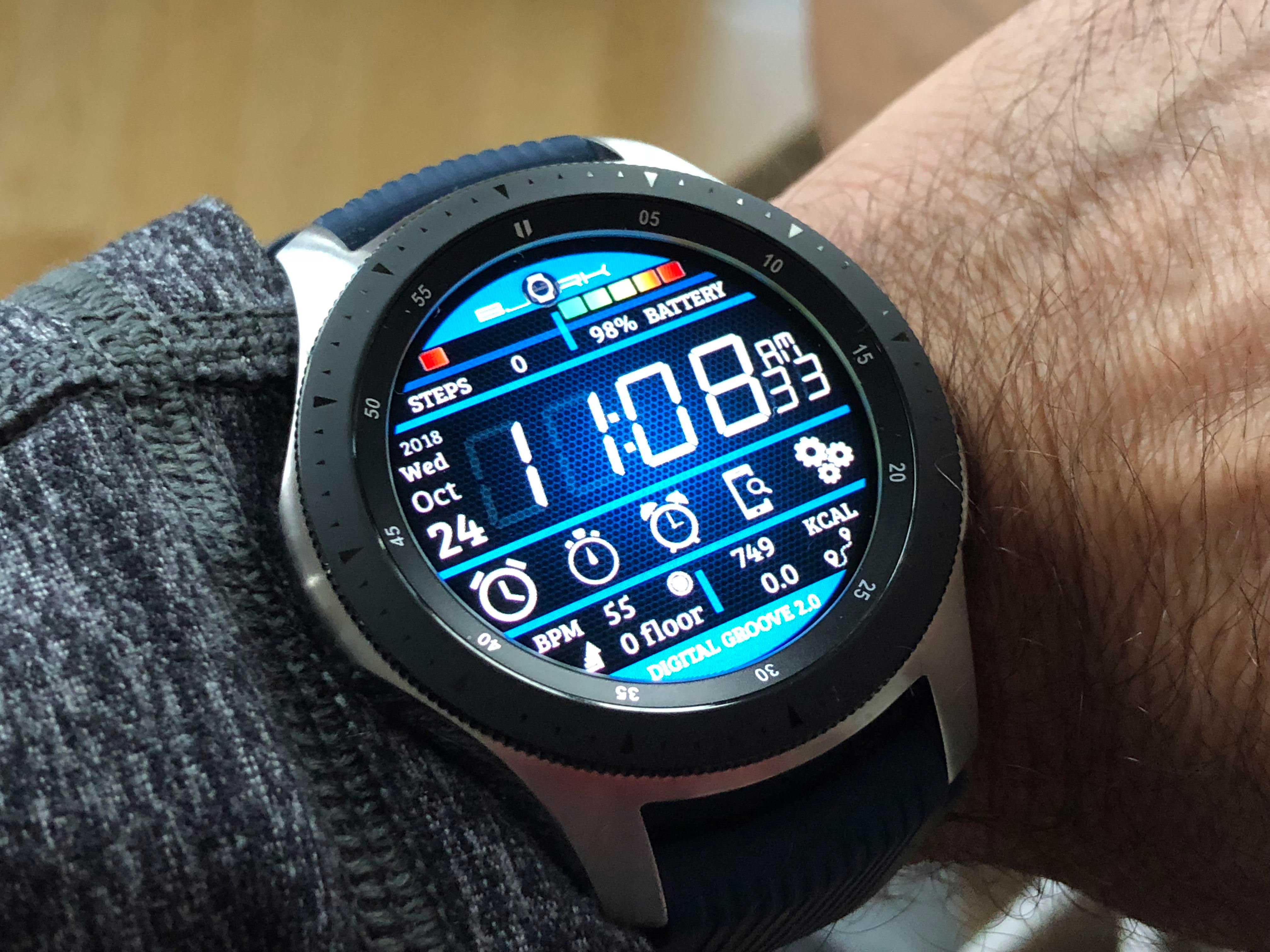
Wearables bring everyday computing to your wrist, helping you track health, stay connected, and move with purpose. A smartwatch emphasizes apps, calls, and notifications, while a fitness tracker focuses on activity and wellness with a simpler interface and longer battery life. Most devices combine both worlds using sensors such as an accelerometer, gyroscope, optical heart-rate, GPS, and sometimes ECG or SpO2 for advanced insights. They deliver gentle nudges to stand, reminders to hydrate, timers for intervals, and silent alarms that keep you on schedule. You can control music, handle quick replies, check the weather, and even make contactless payments right from your wrist. Form factors range from minimalist bands to classic round watch styles with customizable faces and complications that surface the data you care about. The right pick depends on your goals: everyday convenience, sport performance, or health-first tracking. Understanding your priorities sets the stage for selecting features, ecosystem support, and comfort you will actually enjoy wearing all day.
Ecosystem and Compatibility Essentials
Before comparing specs, verify compatibility with your phone and preferred services. A watch deeply integrated with your phone's ecosystem tends to deliver smoother notifications, reliable calling, and better voice interactions. Check the companion app design and whether your data syncs to a reputable health platform for long-term trends. If you switch phones often, consider cross-platform options and easy backup and restore. Explore the app store for workout apps, watch faces, and tools you might rely on, such as calendars, notes, or smart home controls. If you care about storage for offline music or podcasts, confirm that syncing is simple and stable. Connectivity like Bluetooth, Wi‑Fi, and optional cellular can shape convenience on the go. Finally, review permissions, privacy settings, and data export options. Clear controls over sharing, paired with transparent policies, protect your wellness information and ensure your wearable feels like an asset, not a lock-in.
Health and Fitness Metrics to Trust
A great wearable translates raw sensor data into meaningful health insights you can act on. Look for accurate heart-rate tracking, continuous and during workouts, plus GPS for pace and route. Useful metrics include resting heart rate, HRV, estimated VO2 max, sleep tracking with stages, stress or readiness scores, and optional SpO2 or skin-temperature trends. For training, zone-based heart-rate guidance, cadence, elevation, and split analysis help you structure sessions and recover smarter. Remember that accuracy depends on wearing position and fit; a snug but comfortable strap improves optical readings, and calibration or outdoor signal checks refine GPS distance. Some devices offer safety tools like fall detection or SOS, while others specialize in guided breathing, mindfulness, or cycle tracking. Treat all readings as educational, not medical advice, and value trend consistency over single numbers. If you're a swimmer or cyclist, confirm sport-specific modes, auto lap detection, and sensor pairing to expand capabilities without carrying your phone.
Design, Comfort, and Durability
If a wearable is not comfortable, you will not wear it. Prioritize comfort through case size, thickness, and weight that suit your wrist. Materials like aluminum, stainless steel, titanium, or reinforced polymer balance durability with feel; strap options in silicone, nylon, leather, or metal add breathability or polish. Quick-release lugs make swapping bands easy, while adjustable clasps improve day-long fit as your wrist changes. Displays vary: OLED panels deliver deep blacks and crisp contrast, while LCD can offer bright readability. An always-on display keeps time and metrics visible, and an ambient light sensor maintains visibility without draining the battery. Consider tactile buttons for workouts and gloves, responsive touch for navigation, and quality haptics for subtle alerts. Water-friendly designs rated for handwashing and swimming expand versatility, and scratch-resistant glass or protective bezels add resilience. If adventure calls, look for rugged sealing, shock protection, and a finish that hides scuffs, so your device stays presentable from the gym to the office.
Battery Life, Charging, and Performance
Longevity shapes habit. Battery life ranges widely, from multi-day trackers to power-hungry flagships with rich displays. Continuous GPS, frequent voice use, or an always-on display will shorten runtime, so seek power-saving profiles that reduce drain during long days or travel. Charging methods vary: magnetic pucks, pogo pins, and some wireless options. A reliable fast charge can turn a few minutes into hours of use, handy when you remember late at night to top up for morning runs. Under the hood, efficient processors and well-optimized software keep animations smooth, widgets snappy, and notifications prompt. Storage for offline music and podcasts, plus seamless Bluetooth streaming to earbuds, elevates phone-free workouts. Advanced devices manage sensor sampling smartly, balancing accuracy and endurance. Evaluate how the watch manages heavy tasks like mapping, interval timers, and multi-sport tracking without overheating or stuttering. Consistent, predictable performance means fewer compromises and more confidence in your routine.
Smart Features vs. Sport Features
Decide whether you lean smart or sport. Smart-centric watches excel at notifications, quick replies, voice assistant control, calendar alerts, and contactless payments. Some include optional LTE for calls and messages without a phone, plus rich maps for turn-by-turn navigation. On the sport side, training tools matter more: multi-band GPS for improved positioning, structured intervals, pace and cadence targets, recovery guidance, and training load summaries. Runners and cyclists may want route import, breadcrumb navigation, auto lap detection, and sensor pairing for power and cadence data. Swimmers benefit from stroke type detection and pool length configuration, while hikers look for elevation profiles and reliable offline maps. Consider how you'll interact during workouts: tactile buttons to mark laps, customizable data fields, and bright screens visible in sunlight reduce friction. Your best device blends both worlds, focusing on the capabilities you'll use daily while still supporting the peak moments that define your fitness journey.
Budget, Value, and Smart Buying Tips
Set a budget based on goals, not hype. Slimmer fitness trackers often deliver excellent basics at modest prices, while premium smartwatches add polish, advanced sensors, and deeper app ecosystems. Factor the total cost of ownership: extra bands, screen protectors, chargers, and potential subscription fees for advanced analytics or coaching. Consider refurbished or previous-generation models for strong value, and review the warranty and return policy to protect your purchase. Try devices on if possible—weight, case size, and strap comfort are personal. Check visibility under bright light, clarity of haptics, and whether the companion app makes data easy to understand. Think long term: expected software support, battery replacement options, and an ecosystem with healthy developer and accessory communities. Prioritize features you will use weekly over niche extras. The best wearable is the one that fits your life, respects your privacy policy expectations, and encourages sustainable, consistent habits.