The Ultimate Beginner's Guide to Strength Training
Start lifting with confidence: learn form, core moves, beginner programs, and recovery tips to build muscle, get stronger, and avoid injuries.
Why Strength Training Matters
Strength training is a practical investment that pays off across daily life, sports, and long‑term health. By challenging your muscles against resistance, you improve strength, bone density, metabolism, and joint stability while also supporting posture and confidence. Stronger legs make stairs easier, a sturdier back makes lifting groceries safer, and resilient shoulders reduce the risk of strain at work or play. Beginners often worry about getting bulky, but the reality is that consistency, nutrition, and program design govern body changes far more than any single workout. Start with the goal of moving well and building a foundation; let appearance benefits be a welcome bonus. Prioritize form over ego, and think long term, not just the next session. Cultivate a growth mindset where small, steady improvements compound. Commit to manageable habits, learn the names of major movement patterns, and respect recovery as much as effort. With patience and smart guidance, anyone can build meaningful strength and feel the difference every day.
Getting Started the Smart Way
Begin with clarity. Define a simple goal such as getting stronger for daily tasks, feeling more energetic, or building a balanced physique. Assess a gentle baseline: a comfortable plank, a controlled sit‑to‑stand, or a few bodyweight rows. Choose your environment based on convenience, budget, and comfort. Home setups with bands and dumbbells can be highly effective, while gyms offer more variety. Schedule workouts like appointments and protect that time. Aim for consistency over complexity, starting with two or three sessions per week. Select loads that feel challenging yet allow you to keep two or three reps in reserve (often called RIR). Move at a controlled tempo, and focus on full range of motion without pain. Warm up with light cardio and dynamic mobility, then perform a couple of easy practice sets before your working sets. If you can, get feedback from a qualified coach or a knowledgeable friend. Keep notes, celebrate small wins, and adjust gradually rather than making drastic changes.
Master the Big Movement Patterns
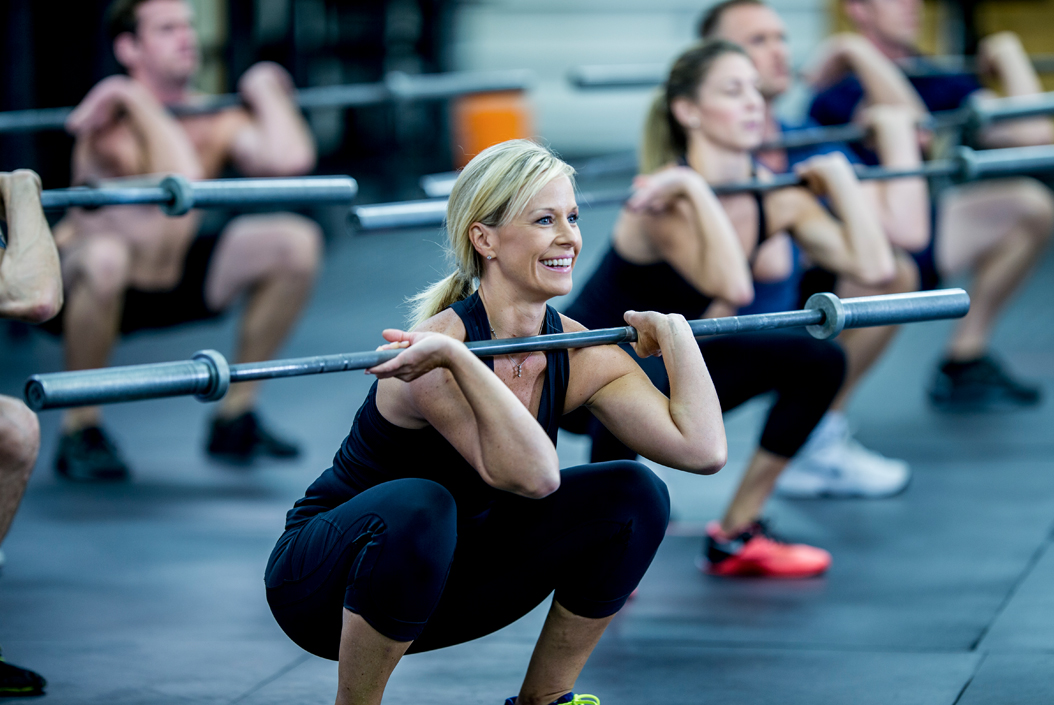
Structure your routine around the core patterns your body performs daily: squat, hinge, horizontal push, horizontal pull, vertical push, vertical pull, and carry or core stability. Examples include goblet squats for squatting, hip hinges or Romanian deadlifts for hinging, push‑ups or dumbbell bench presses for pushing, and rows with dumbbells or bands for pulling. Overhead presses train vertical pushing, while assisted pull‑ups or pulldowns develop vertical pulling. Farmer carries build grip and trunk endurance, and simple core drills like dead bugs or planks teach anti‑extension and anti‑rotation control. Favor compound movements because they train multiple muscles and joints together, reinforcing real‑world strength. Use cues such as bracing your trunk, keeping a neutral spine, and letting knees track over toes during squats. For hinges, send hips back while maintaining a long spine and loaded hamstrings. Begin with one exercise per pattern, practice frequently with light weights, and only progress when quality remains high from the first rep to the last.
Programming Basics You Can Trust
Great programs share a few pillars: appropriate volume, progressive challenge, and planned recovery. A simple approach is two to four sets of moderate reps per movement, leaving a little in the tank so you can train again productively. Embrace progressive overload by changing one variable at a time: add a small amount of weight, perform an extra rep, insert an additional set, lengthen the range of motion, or tighten your tempo with smoother control. Full‑body sessions work wonderfully for beginners. Alternate two lineups so you cover all patterns across the week without overtaxing one area. Begin each lift with one or two warm‑up sets before your working sets to groove technique. Rest long enough to repeat quality reps, often around a minute or two depending on the exercise. Keep a logbook to reveal trends, and consider a lighter week when progress stalls. Steady, measurable steps beat random intensity every time.
Technique, Bracing, and Safety
Technique is your insurance policy for sustainable gains. Before lifting, establish a solid stance and create tension from feet to hands. Brace by taking a deep 360‑degree breath into the ribcage and abdomen, then tighten your midsection as if preparing to absorb a gentle impact. Maintain a neutral spine, stacked ribs over pelvis, and keep shoulders packed down and back. Use the foot tripod (heel, big toe, little toe) to stay rooted during squats and hinges. Control the eccentric lowering, pause briefly to eliminate bounce, and drive powerfully through the concentric without losing alignment. Common pitfalls include ego loading, rushed reps, and letting knees cave in or elbows flare excessively. Warm up with dynamic mobility and activation rather than long static stretches, and finish with a calming cool‑down and easy breathing. Pain is a stop sign; discomfort or muscle effort is normal, sharp joint pain is not. If form degrades, reduce weight, reset cues, and rebuild confidence deliberately.
Recovery, Nutrition, and Lifestyle
Training breaks muscle down; recovery rebuilds it stronger. Prioritize quality sleep, aiming for a routine that leaves you refreshed. Center meals around protein to support repair, include carbohydrates to fuel training, and add healthy fats for hormones and joint comfort. Hydrate consistently, and favor colorful produce for micronutrients. On non‑lifting days, embrace gentle activity like walking or easy cycling to boost blood flow without extra fatigue. Monitor signs of under‑recovery such as lingering soreness, stalled performance, or unusual irritability. When needed, take a deload by trimming sets or intensity for a short period. Simple tools like light mobility circuits, foam rolling, and relaxed breathing can downshift your nervous system. Build meals from accessible staples: eggs, yogurt, beans, fish or poultry, tofu, rice, potatoes, oats, nuts, olive oil, fruits, and vegetables. Remember that consistency beats perfection; balanced choices most of the time create durable results. Align training, nutrition, stress management, and downtime so they support one another.
Tracking Progress and Staying Motivated
Progress you can see is progress you will sustain. Track sessions in a log with exercises, sets, reps, load, and a note on effort such as RPE. Complement the numbers with simple measurements and photos taken under similar conditions to notice posture changes and muscle development. Celebrate performance markers like your first push‑up, a deeper squat with control, or a longer farmer carry. When plateaus arrive, adjust one lever: add a rep, change grip width, tweak tempo, reduce fatigue by trimming volume, or use smaller weight jumps. Keep the core plan stable while rotating variations sparingly to maintain freshness. Build habits with clear cues and routines: set training days, prepare your gym bag in advance, or pair workouts with a favorite playlist. Create a plan B for busy weeks, such as a quick full‑body circuit at home. Seek community, encourage others, and treat each session as practice. Stay patient, stay curious, and let consistency write your success story.