The Two-Minute Momentum Method: Start Fast, Finish Strong
Beat procrastination with a two-minute starter sprint. Light the fuse, stack small wins, and ride momentum to finish strong every time.
Spark the Start: The Two-Minute Momentum Method turns hesitation into action by shrinking the barrier between intention and execution. When a task feels heavy, your brain perceives high activation energy and defaults to delay. A tiny, deliberate push rewires that response. Commit to just two minutes and you lower friction, prove capability, and convert anxiety into motion. This micro-commitment is small enough to begin now, yet meaningful enough to tip you into sustained effort. Think of it as lighting the fuse: a brief spark that ignites momentum, focus, and clarity. The goal is not to finish everything in two minutes, but to start decisively, beat the first wave of resistance, and let motivation follow action. By defining a minimal opening move, you generate quick wins, reinforce self-trust, and create a bias toward progress. Over time, this becomes a reflex: when you feel stuck, you start small, accelerate rapidly, and finish strong with deliberate closure.
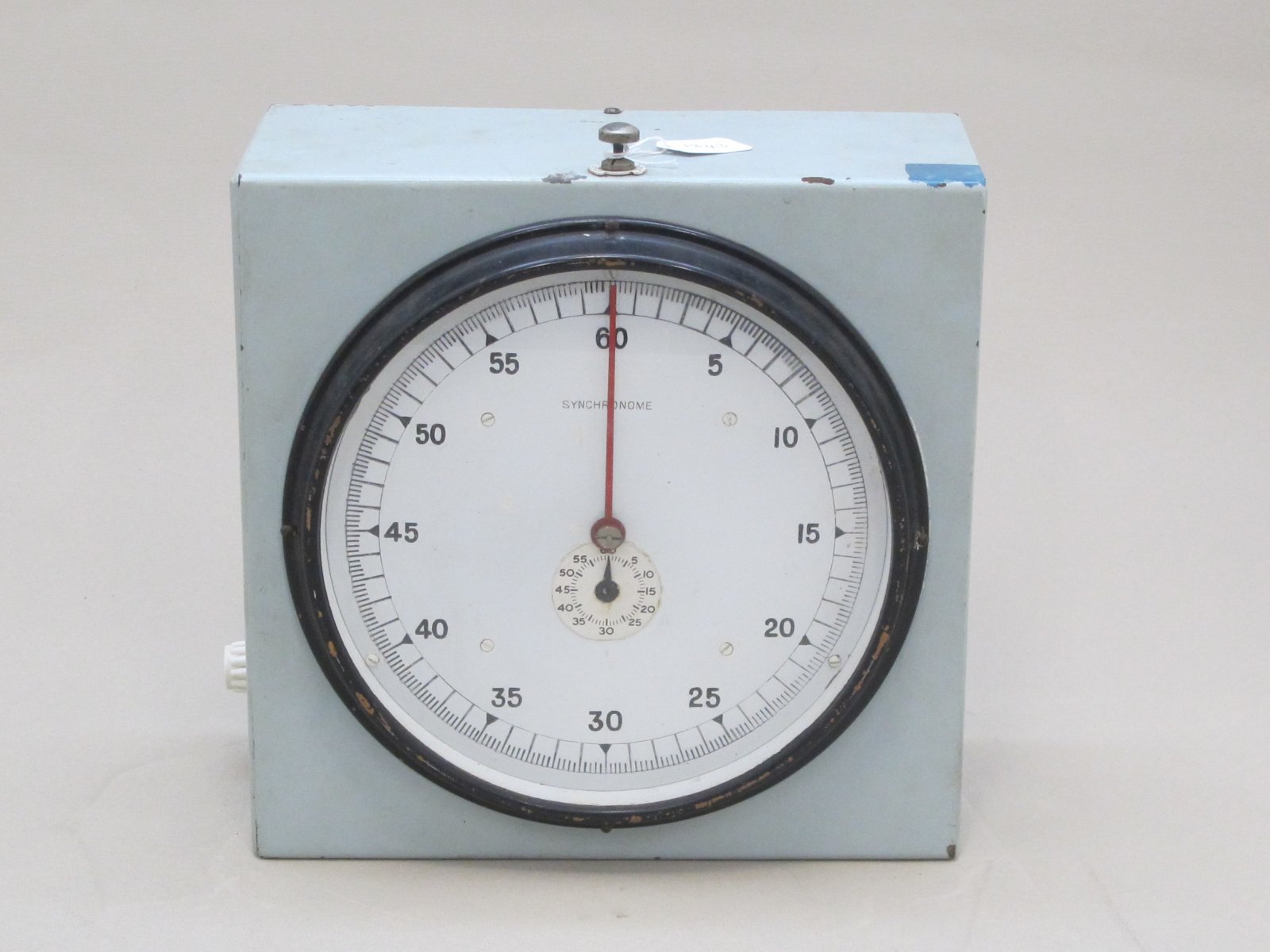
Prime the Launchpad: Preparation multiplies the power of a two-minute start. Choose a clear target task, identify its smallest physical action, and stage your environment so that the first step is frictionless. Place the document you need on your desktop, lay out the running shoes, open the notebook to a fresh page, or queue the spreadsheet to the exact cell. Define a cue and a trigger: after coffee, I set a two-minute timer and type a working sentence; after lunch, I walk to the mailbox and back at a brisk pace; before closing email, I archive five messages. The key is precision. Vague starts invite drift, while concrete steps invite commitment. Pre-decide tools, remove optionality, and script your opener: breathe, press start, perform the first micro-action. When the timer begins, you should already be in motion. Prime the launchpad well, and your start fast routine feels automatic, reliable, and oddly satisfying.
The First 120 Seconds: Treat the initial window as a launch sequence. Keep the action mechanical and specific, not aspirational. For writing, paste a rough prompt and type continuously without editing. For planning, list three outcomes and one first move. For learning, read a defined paragraph and summarize a sentence. For tidying, clear one surface and sort into keep, toss, or decide. Maintain low cognitive load by using checklists and prewritten scripts: sit, set timer, start action, keep moving. Disengage from perfection and aim for visible progress, not polish. If focus wavers, label the distraction, return to the motion, and ride the ticking clock. Two minutes is short enough to feel safe, long enough to gather kinetic focus. When the alarm chimes, pause for one breath and assess: feeling momentum, continue; feeling resistance, bank the win and schedule a second two-minute burst later. Either outcome builds consistency, which is the engine of compound productivity.
Ride the Wave: After ignition, transition from tiny to steady by expanding the scope in small, confident increments. Add five minutes, then another five, anchoring each segment to a tiny success. Use progress cues to maintain traction: a visible word count, a checklist with boxes to tick, a timer that resets for short extensions. Shift into flow by narrowing your goal to the next actionable sub-step and protecting attention with a single-screen rule or a cleared desk. Keep the task loop tight: decide, act, check result, decide again. If friction spikes, shrink the step until motion resumes. Momentum thrives on continuity, not intensity. Each micro-commitment affirms identity — I am the kind of person who starts and keeps going — and strengthens self-efficacy. When your mind seeks escape, negotiate just one more minute or one more line. Small, repeated yeses create a glide path where discipline feels lighter than delay.
Finish Strong: Closing well is as strategic as starting well. End each session with a clean handoff to your future self: capture next steps, stage materials, and leave a clear breadcrumb at the exact point of re-entry. Write a one-sentence summary of progress and a one-sentence intention for the next block. Celebrate a tiny win with a brief breath or stretch to mark completion, reinforcing a positive feedback loop. Perform a closure ritual: save files, reset tools, clear the workspace, and set a lightweight reminder. If you extended beyond two minutes, acknowledge the momentum you created; if you only did two minutes, honor the commitment and protect the habit. Finishing strong is not about exhaustion; it is about intentional shutdown that preserves energy and keeps motivation warm. The smoother the exit, the easier the next start, which compounds into a reliable cycle of start fast, continue steadily, and conclude with clarity.
Beat Resistance: Obstacles are signals to adjust technique, not proof of failure. When distractions intrude, add friction to the wrong things and lubrication to the right things. Silence nonessential alerts, put the phone in another room, and set a visible timer as a commitment device. Use if-then plans: if I feel like postponing, then I will do exactly thirty seconds of the task; if I hit a snag, then I will ask a simpler question and act on it. Break ambiguous tasks into crisp verbs — draft, sort, label, send, sketch. When motivation dips, try a two-minute reset: close your eyes, exhale slowly, reopen, and take the smallest next action. Treat setbacks with self-compassion and curiosity: what made the start heavy; how can I lighten the first step; which cue failed. Resistance often melts when the next move is both obvious and easy. Keep the doorway small, and you will keep walking through it.
Scale with Systems: Once the method feels natural, integrate it into your broader productivity ecosystem. Pair two-minute starts with habit stacking: after a daily ritual, trigger a micro-action for a priority task. Use timeboxing to bracket focused bursts with short renewals. Batch similar actions to reduce context switching, and define good enough criteria to avoid scope creep. Align starts with natural energy peaks and match task difficulty to your state. Maintain a starter kit for recurring projects — templates, checklists, and reference notes — so the first two minutes are always obvious. For collaboration, agree on definition of done snippets to sharpen shared progress. Keep a running parking lot for ideas that surface mid-session, protecting momentum while capturing value. Systems turn willpower into workflow. When the smallest step is standardized, you conserve attention for creativity and problem-solving, and the method upgrades from a tactic to an operating principle.
Sustain and Evolve: Measure what matters to reinforce behavior without becoming a slave to numbers. Track streaks of starts, not just finishes, and note qualitative wins like ease, clarity, and confidence. Maintain a simple win ledger that captures daily micro-victories and lessons learned. During a light weekly review, refine your cues, prune cluttered commitments, and recalibrate what a strong finish looks like. Periodically rotate your two-minute openers to keep them fresh and aligned with changing goals. Add social accountability by sharing intentions with a partner and celebrating consistency together. When life gets messy, shrink the method to its bare minimum: one minute, one line, one movement. Progress is elastic; what counts is preserving the identity of someone who starts. With compassionate persistence, your two-minute spark becomes a dependable engine that helps you start fast, sustain smart, and finish strong, again and again.