The Foundations of a Balanced Plate
Build steady energy, stable moods, and better health with a simple plate: half produce, quarter protein, quarter whole grains, plus healthy fats.
What Balanced Really Means
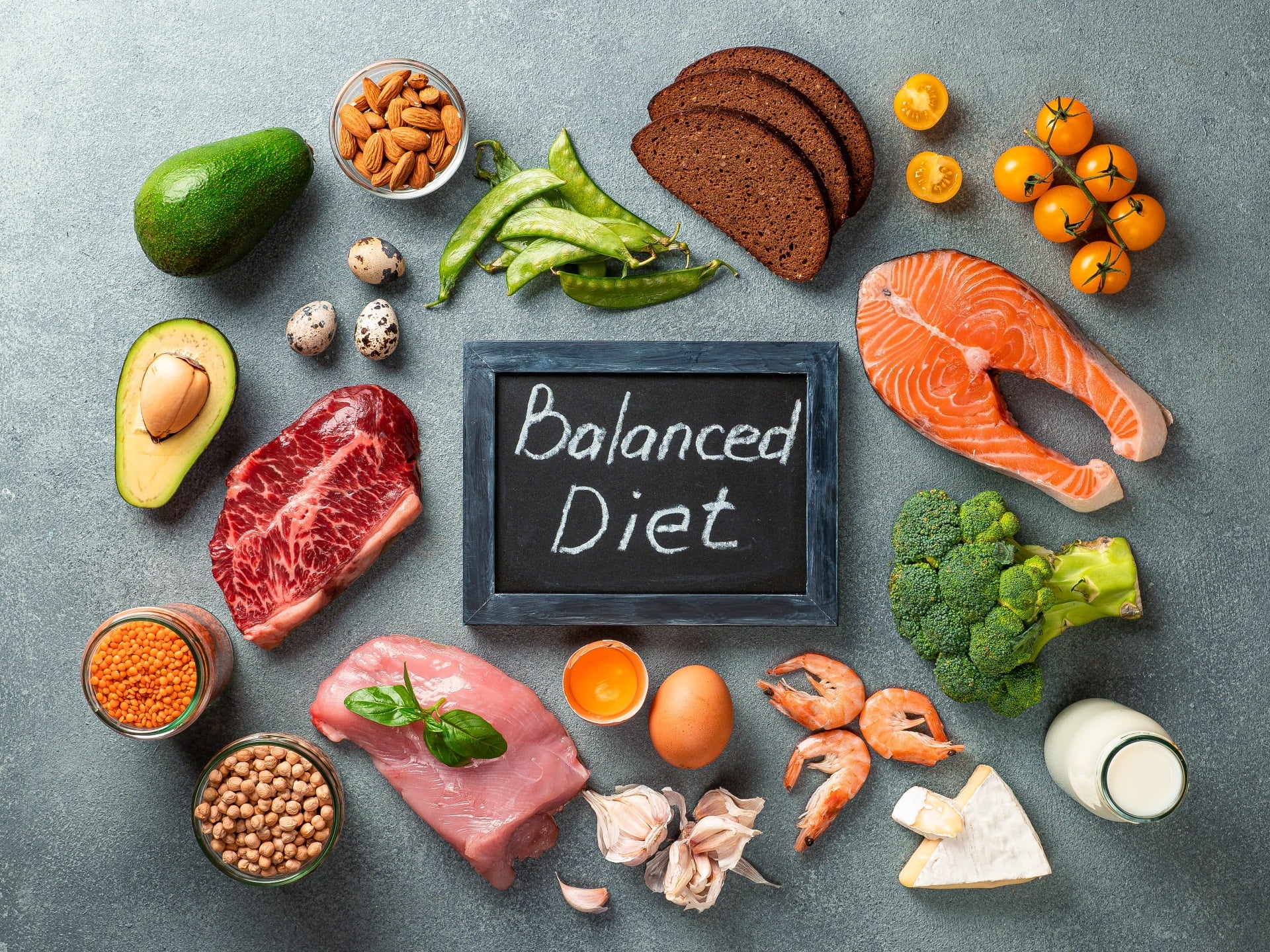
A balanced plate is a practical framework that blends macronutrients and micronutrients to support energy, mood, and long term health. Instead of fixating on strict rules, think in terms of patterns that deliver complex carbohydrates, quality protein, healthy fats, and colorful plants in most meals. This mix steadies blood sugar, enhances satiety, and nourishes the microbiome that influences digestion and immunity. Picture your plate anchored by a generous portion of non starchy vegetables, complemented by lean or plant based protein, rounded out with fiber rich starches, and finished with a small amount of flavorful fat. Favor minimally processed ingredients that bring texture, color, and aroma, because variety tends to fill nutrient gaps naturally. When you plan meals this way, you build a flexible template that adapts to preferences, culture, and schedule. The goal is not perfection but a resilient routine that you can sustain, one that turns everyday eating into a quiet engine for vitality and wellbeing.
Choosing Smart Carbohydrates
Carbohydrates power movement and thought, but quality matters. Prioritize complex carbohydrates that come packaged with fiber, water, and micronutrients, such as whole grains, legumes, root vegetables, and fruit. These foods digest more gradually than refined options, tempering glycemic response and supporting steady focus. Practical choices include oats, quinoa, brown rice, lentils, chickpeas, sweet potatoes, beets, and seasonal fruits. Pairing carbs with protein and healthy fats further smooths energy release and reduces cravings. Preparation influences results, too: al dente grains, roasted tubers, and intact kernels tend to preserve structure and satiety. When portions are a concern, let vegetables take the lead and use carbs as an accent that fits your activity level. Save highly refined flours and added sugars for occasional treats rather than daily staples. The balanced plate welcomes carbohydrates as allies, not enemies, as long as they arrive with fiber, minerals, and a place within an overall thoughtful composition.
Prioritizing Quality Protein
Protein provides essential amino acids that maintain muscle, support enzymes and hormones, and assist recovery from everyday wear and tear. Aim for a steady, meal by meal presence, because your body builds and repairs continuously. Versatile options include fish, poultry, eggs, yogurt, tofu, tempeh, edamame, beans, and lentils. Combining plant sources, like legumes with grains or seeds, creates a robust amino acid profile while adding fiber and phytonutrients. Consider tenderness and cooking method to enhance digestibility and enjoyment: gentle poaching, baking, or sautéing with herbs can keep proteins moist and flavorful without heavy sauces. Choose lean cuts when appropriate, but do not overlook naturally richer choices that bring healthy fats, especially from fish and nuts. Spreading protein intake across meals can enhance satiety and help preserve lean mass during weight changes or busy seasons. On the plate, think of protein as the stabilizing anchor that teams with vegetables and complex carbs to create a complete, satisfying meal.
Embracing Healthy Fats
Healthy fats enrich flavor, extend fullness, and aid absorption of fat soluble vitamins A, D, E, and K. Favor monounsaturated and polyunsaturated sources like extra virgin olive oil, avocado, nuts, seeds, and fatty fish, while minimizing highly processed oils and avoiding artificial trans fats. Omega 3 rich foods such as salmon, sardines, walnuts, flax, and chia can calm inflammation and support brain and heart function. Fit fats into meals with intention: a drizzle of olive oil over vegetables, a handful of almonds with fruit, or tahini whisked into a lemony dressing. Pay attention to cooking temperatures and smoke points to protect delicate oils and preserve flavor. Portions need not be large to be effective, since fats are energy dense. When integrated with fiber rich plants and quality protein, they round out the plate, enhance the pleasure of eating, and help you feel satisfied longer without relying on heavy or overly rich dishes.
Micronutrients and the Power of Fiber
Micronutrients and fiber are the quiet architects of a balanced plate. Vegetables and fruits supply vitamins, minerals, and antioxidants that support immunity, skin health, and cellular resilience. Strive for a spectrum of colors, from leafy greens and cruciferous vegetables to berries and citrus, because different pigments deliver distinct benefits. Fiber deserves special attention. Soluble fiber helps regulate cholesterol and steady blood sugar, while insoluble fiber promotes regularity and digestive comfort. Plant fibers also act as prebiotics, feeding beneficial gut bacteria that produce compounds linked to mood, metabolism, and inflammation control. Herbs and spices contribute concentrated phytonutrients and elevate simple meals into memorable plates. Fresh, frozen, and minimally processed options can all fit; what matters most is consistency and variety. By building meals around produce and pulses, you create a foundation that hydrates, nourishes, and naturally displaces ultra processed foods without rigid restrictions or complicated rules.
Portions, Satiety, and Mindful Structure
Portions are a compass, not a cage. A simple visual can guide you: fill half your plate with non starchy vegetables, reserve a quarter for protein, and the final quarter for complex carbohydrates, then add a thumb sized portion of healthy fats. This structure respects satiety signals while leaving room for cultural dishes and personal taste. Eat attentively to tune your internal cues: pause midway, breathe, and notice hunger softness or fullness building. Slow down enough to savor texture and aroma, which naturally curbs overeating. Plate food in the kitchen rather than from a serving bowl to reduce mindless seconds, and choose smaller dishes if that helps. A regular meal rhythm can steady appetite and energy between meals. When snacks are needed, combine protein, fiber, and healthy fat for staying power, such as yogurt with berries and seeds or hummus with crunchy vegetables. The goal is flexible consistency that supports comfort, clarity, and long haul success.
Hydration, Habits, and Everyday Life
No balanced plate is complete without hydration and lifestyle context. Water supports digestion, temperature regulation, and cognitive function, and gentle cues like thirst and urine color can guide your intake. Broths, unsweetened herbal infusions, and water rich produce add to the total. Electrolytes come from whole foods such as vegetables, fruits, dairy, legumes, and lightly salted dishes, helping fluids move where they are needed. Build supportive habits around your plate: plan simple menus, batch cook staples, and keep a rotation of go to proteins, grains, and vegetables. Embrace flexibility so meals align with culture, budget, and season, using pantry pairs like beans and rice, eggs and greens, or canned fish and whole grain toast. Celebrate gatherings without guilt by returning to your routine at the next meal. Most of all, let pleasure, presence, and progress guide you. When food is both nourishing and enjoyable, consistency becomes natural, and wellness follows.