Recovery Strategies Athletes Swear By
From sleep and smart fueling to mobility, cold exposure, and HRV-guided rest, discover proven recovery tactics athletes use to train harder and stay fresh.
Sleep As A Performance Tool. Elite competitors don't just train hard; they guard their sleep with the same intensity. Aim for a consistent schedule that supports your circadian rhythm, winding down at the same time each night to prime deep sleep and REM cycles that repair tissue and consolidate motor learning. Create a cool, dark, quiet environment; blackout curtains, a fan, and a simple pre-bed ritual signal your body it's time to recover. Cut late caffeine, dim screens, and replace scrolling with gentle breathwork or light reading. A short nap can top off alertness on heavy training days, but keep it brief to avoid grogginess. If worries keep you up, jot a quick brain dump to clear your mind. Track how different habits affect morning energy, mood, and soreness, then refine your routine. When sleep quality rises, you'll notice steadier tempos, cleaner technique, and calmer nerves under pressure—proof that better nights create better days on the field, court, road, or platform.
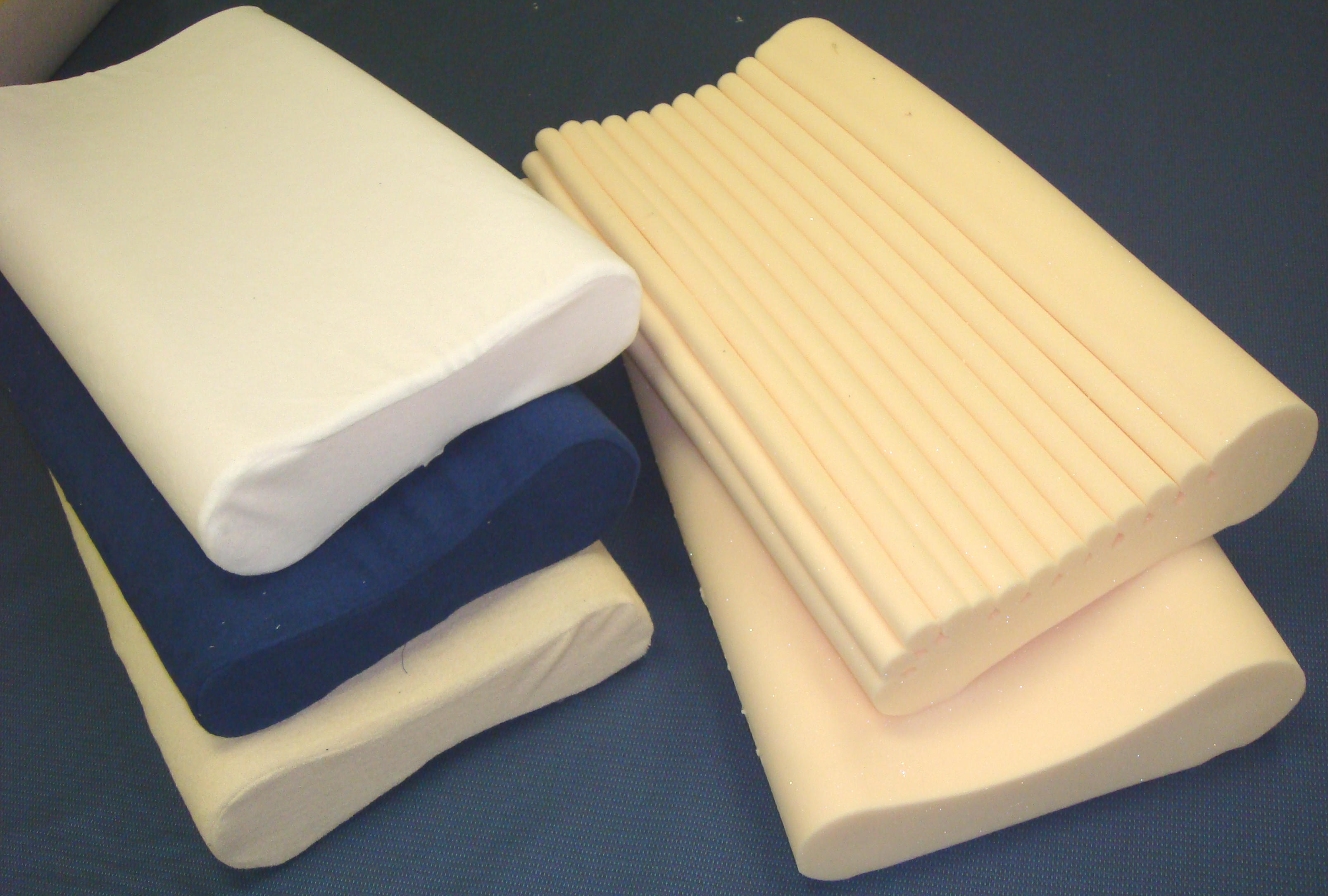
Move To Recover. The day after a hard session, many athletes choose active recovery over total rest to boost circulation and reduce stiffness without adding fatigue. Think easy cycling, brisk walking, relaxed pool laps, or a light mobility flow that keeps range of motion alive. Pair movement with targeted foam rolling and self-massage: spend slow, controlled passes on sore areas, pause on tender spots, and breathe until the tension eases. Follow with gentle stretching that prioritizes comfort over intensity; you're inviting tissues to relax, not forcing change. Keep sessions short and intentional—around 20 to 30 minutes can be enough to refresh legs after sprints or heavy squats. A simple sequence might be: 10 minutes of easy cardio, hips and thoracic spine mobility, calves and quads rolling, then ankles and hamstrings stretches. Finish with nose-breathing and long exhales to nudge your nervous system toward parasympathetic calm. Done consistently, this approach maintains fluid movement patterns and sets up your next hard effort.
Refuel With Purpose. Proper nutrition doesn't just fill the tank; it accelerates repair. Build recovery meals around quality protein to support muscle remodeling, paired with carbohydrates to replenish glycogen so your next session starts strong. Add healthy fats for satiety and joint support. Think colorful produce for antioxidants, plus herbs and spices like turmeric, ginger, and cinnamon to help manage exercise-related inflammation. Hydration is non-negotiable: prioritize electrolytes—sodium, potassium, and magnesium—to replace what you sweat out, and sip regularly rather than chugging late. After especially tough work, a balanced smoothie can be convenient: fruit for carbs, a scoop of protein, leafy greens, and a pinch of salt. In the evening, a slow-digesting protein snack may steady overnight recovery. Pay attention to timing, but avoid rigidity—your body's signals matter more than strict rules. Track what leaves you energized versus sluggish, and personalize portions to match training load. Nourish consistently, and you'll notice steadier energy, faster bounce-back, and fewer nagging dips.
Therapies That Complement Training. Many athletes layer simple recovery modalities onto strong fundamentals. Cold exposure or contrast showers can blunt excessive soreness after high-impact days, while heat—like a warm bath—often pairs well with gentle stretching to relax tight muscles. Compression garments and massage may help with perceived recovery by enhancing circulation and easing tension. Keep context in mind: use cold cautiously around explosive training windows if you're chasing specific adaptation, and always ease into extremes. Home-friendly options work well: five mindful minutes of diaphragmatic breathing, legs elevated on a pillow, and slow self-massage with a ball or roller. If you enjoy sauna, hydrate and cool down gradually. The real key is consistency and fit—choose tools you'll actually use and that leave you feeling restored, not rattled. Monitor how each method affects sleep, soreness, and readiness. When a modality reliably helps you reset, it earns a place in your routine; if not, let it go.
Plan, Track, And Unwind. Recovery thrives on structure and self-awareness. Use simple periodization to balance stress and rest, scheduling lighter days and occasional deload weeks so your body can supercompensate. Track effort with rate of perceived exertion (RPE), short notes on mood and soreness, or basic heart-rate trends to spot brewing fatigue before it bites. Build daily micro-recoveries: five calm breaths between sets, a ten-minute walk after meals, and a short stretch before bed. Protect mental recovery with mindfulness, visualization, and boundaries around screens and late-night tasks. Social support counts too—share wins and setbacks with teammates or a training partner. Keep a minimalist checklist: sleep quality, hydration, protein at meals, gentle movement, and one relaxing practice. If something feels off, scale back volume or intensity proactively. Remember, smart athletes train to adapt, not just to exert. By honoring both body and mind, you convert hard work into durable performance that lasts.