Noise-Canceling Headphones: What to Know Before You Buy
Learn key factors before you buy: ANC types, sound quality, fit and comfort, battery life, mics, codecs, transparency modes, app features, and price.
How Noise Cancellation Works
Active noise canceling (ANC) uses tiny microphones to sample outside sound and a processor to create an inverse signal that uses destructive interference to reduce it before it reaches your ears. Systems may place mics outside the cup (feedforward), inside the cup (feedback), or use both in a hybrid design. ANC is most effective against low-frequency noise like engines, ventilation, or road rumble; higher, irregular sounds are harder to eliminate. That is where passive isolation matters: the physical seal from ear cups or in-ear tips blocks mid and high frequencies and supports the electronics. A better fit usually produces better isolation and deeper bass with less volume. Expect trade-offs: some models introduce a faint hiss or a sensation of pressure when ANC is engaged, and aggressive algorithms can slightly alter tonal balance. Good designs let you switch modes, adjust levels, and remember settings. Understanding these basics helps you judge claims and choose features that suit commuting, open offices, shared homes, or focused study sessions.
Fit, Comfort, and Build Quality
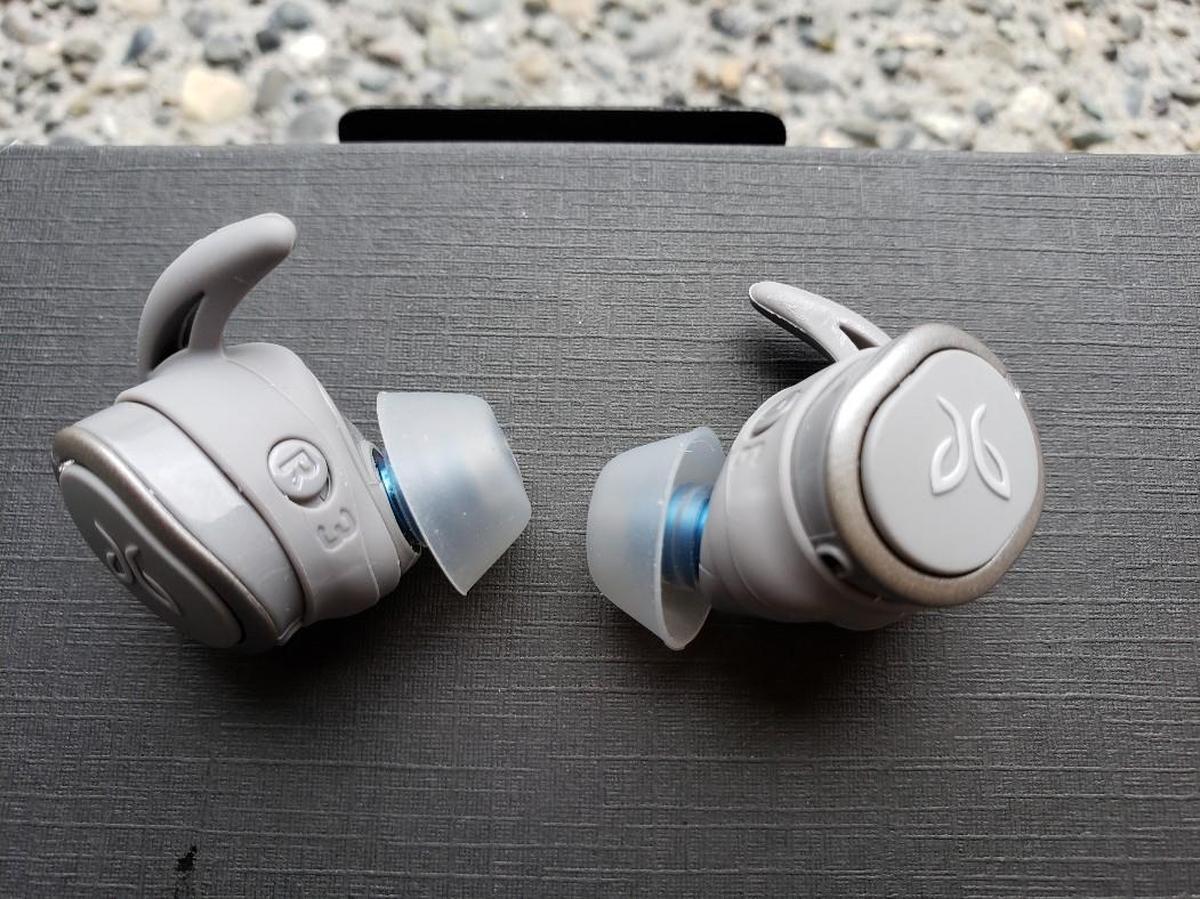
Comfort shapes everything from sound to stamina. Over-ear models surround the ear and typically offer the strongest passive isolation, but they depend on clamping force, pad size, and weight distribution to remain comfortable. On-ear designs are smaller and lighter yet can create pressure on the pinna during long sessions. In-ear options are the most portable and can isolate well with the right ear tip size, especially foam or memory-foam pads, but they may not suit every ear canal. Glasses wearers should check how pads seal around frames, and all users should watch for heat build-up and pressure points on the crown. Build choices matter too: headbands with metal reinforcement, sturdy hinges, and replaceable pads often outlast minimalist frames. Look for swivel and tilt in the cups for a snug seal, smooth size adjustment, and at least basic sweat resistance if you plan to walk or commute in varied weather. Durability and seal go hand in hand, influencing both ANC performance and day-long comfort.
Sound Quality and Listening Modes
Noise canceling is only part of the story; strong audio starts with balanced frequency response across bass, mids, and treble. Some tunings emphasize bass for energy, while others favor clarity and detail. Try tracks you know well and listen for vocals that sound natural, cymbals that are crisp but not harsh, and bass that is punchy without masking the midrange. Many headphones now offer EQ via companion apps, with preset profiles and custom sliders; a gentle tweak often beats extreme boosts. Keep in mind that ANC circuitry can subtly color sound, so compare with ANC on and off. Wireless performance depends on Bluetooth codecs and the compatibility of your phone or laptop; higher-bitrate or low-latency options can improve fidelity and latency for video calls or casual gaming. Useful extras include transparency (ambient) mode for quick conversations, wind noise reduction for outdoor use, and sidetone so you can hear your own voice during calls. If you need zero-latency monitoring, check for a reliable wired mode.
Battery Life, Connectivity, and Controls
Real-world battery life depends on volume, ANC intensity, and features like transparency. Estimate more conservatively than the marketing number, then look for quick charge that delivers meaningful playback after a short plug-in. A modern USB-C port streamlines charging with the same cable you use for other devices. For work and travel, multipoint pairing lets you connect to a phone and computer at the same time and switch audio seamlessly. Stability matters too, so note range, reconnection speed, and how many devices the headphones remember. Apps that provide firmware updates can fix bugs or add features, but you should still be able to toggle ANC and volume with onboard buttons or touch controls. Consider glove-friendliness, accidental taps, and wear detection that auto-pauses when you remove the headphones. Call quality hinges on microphone quality and beamforming, and some models add background noise suppression for clearer speech. If analog playback matters, verify whether a cable works passively or still requires battery power.
Value, Warranty, and How to Test
Price does not always predict satisfaction; you often encounter diminishing returns as you climb tiers. Focus on the features you will actually use: strong isolation for public transit, comfortable pads for long workdays, clear calls for meetings, or compact in-ear portability for the gym. Assess build for long-term ownership: replaceable earpads, a detachable cable if offered, and accessible batteries or service options boost repairability and sustainability. Check the warranty terms and regional support, and skim companion app permissions if privacy is a concern. Before buying, run real-world testing: wear them for at least half an hour to check hotspots, listen for ANC hiss or pressure, place a phone call outdoors in wind, and try typing to judge how well keyboard noise is reduced. Test with your primary devices to confirm codec selection, latency, and multipoint handoff. Explore EQ adjustments, control customization, and case size for travel. A clear return policy provides peace of mind if the fit or sound is not quite right.