Make Meetings Count: Tactics for Shorter, Sharper Sessions
Cut meeting time without sacrificing outcomes. Use crisp agendas, tight roles, and timeboxing to turn long talks into decisive, focused sessions.
Start with a Single, Clear Outcome. Meetings shrink and sharpen when everyone is aligned on a single, non-negotiable outcome. State the objective in one sentence before invites go out: by the end, we will decide X or we will produce Y that meets criteria A, B, and C. Define the scope, the constraints, and what success looks like so participants can prepare effectively. Timebox the conversation and anchor the flow around the decision or deliverable, not general discussion. Use a simple agenda and a parking lot to capture tangents without derailing momentum. Share context and assumptions up front so time is not spent reconstructing the past. Ask whether a meeting is even required; if the outcome is information sharing, an asynchronous update might be faster. When you do meet, open with the desired outcome on screen or in the room and keep returning to it. Purpose clarity is the most reliable lever for shorter, sharper sessions and tangible productivity gains.
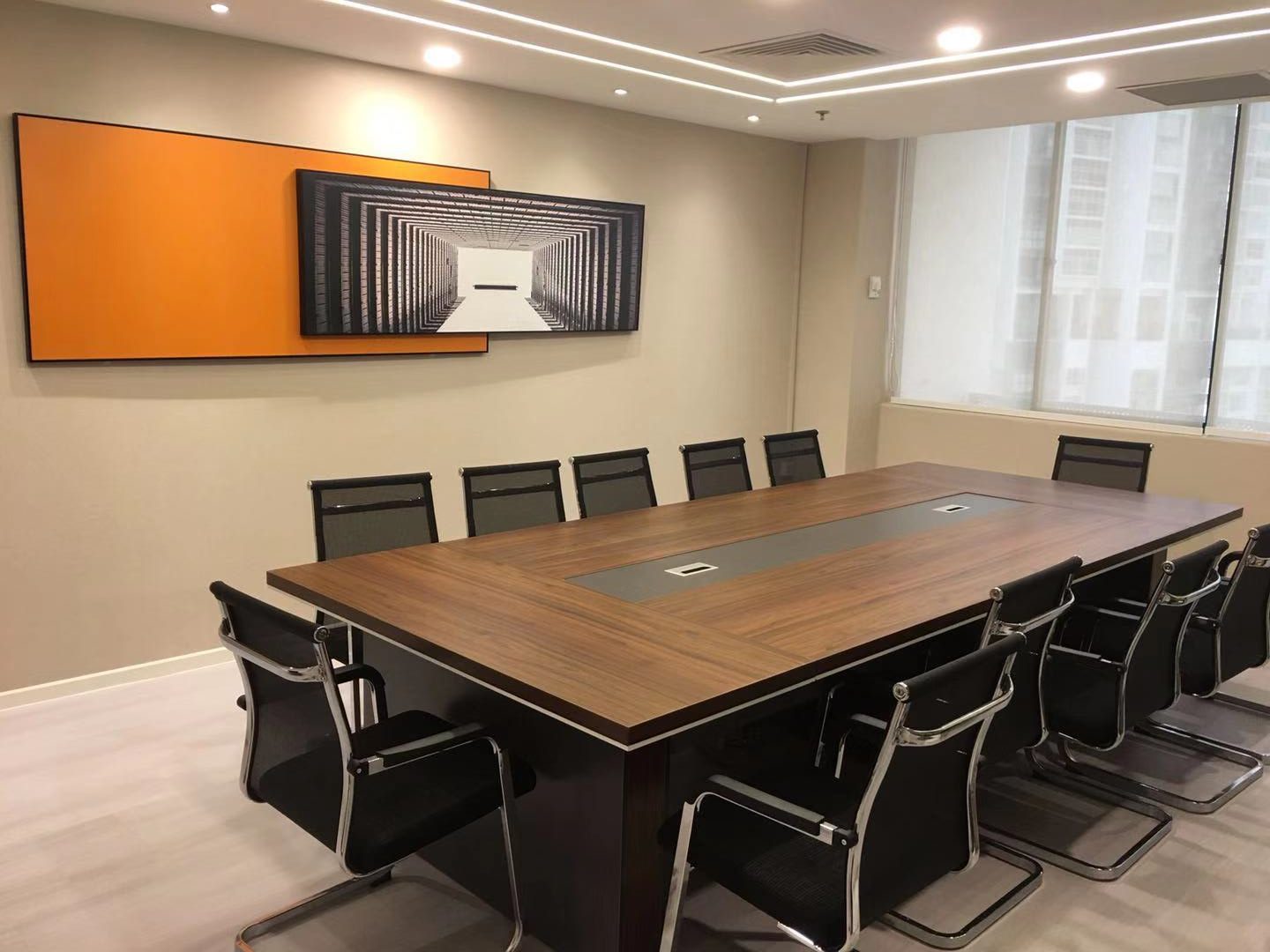
Trim the Guest List with Intent. The fastest meetings involve only the people essential to the outcome. Identify the decision-maker, a small set of contributors, and who simply needs to be informed later. Use a light RACI lens: who is responsible for doing the work, who is accountable for the decision, who must be consulted for expertise, and who is informed after the fact. Invite the minimum number to ensure speed without sacrificing quality. Everyone else receives a concise summary. Provide pre-reads and a short feedback window so non-attendees can influence inputs asynchronously. When someone is optional, make that explicit and celebrate declines. Resist the urge to include spectators or placeholders; every chair adds cognitive load, social turn-taking, and scheduling complexity. If you need broad buy-in, split the process: gather input asynchronously, then convene a focused decision huddle. A right-sized room protects attention, surfaces clearer signals, and preserves organizational time economy.
Design a Minute-by-Minute Agenda. A clear agenda is not a list of topics; it is a sequence of small outcomes with tight timeboxes. Start with a two-minute framing that restates the objective and decision rule. Follow with a contained context burst, then move swiftly from divergence to convergence. For example, five minutes of silent idea capture, seven minutes of structured discussion, five minutes to rank options, and eight minutes to decide and assign actions. Label each segment with an owner, method, and expected artifact. Insert micro-buffers and checkpoints so you can recover time without panic. Publish the agenda in advance and ask for red flags; if the flow is unrealistic, fix it before people arrive. In the room, appoint a facilitator and timekeeper and give them permission to cut, park, or accelerate. End with a scheduled wrap that safeguards action capture. Precision planning converts vague talk into purposeful motion and keeps meetings crisp.
Prepare Asynchronously, Meet Synchronously. The shorter the meeting, the longer the runway. Send a tight brief with context, the single outcome, the decision rule, and clear pre-work. Provide a template for inputs so information arrives apples-to-apples. Encourage questions in a shared document before you meet; the best conversations start where the comments heat up. If reading is required, decide whether to assign it beforehand or allocate quiet reading time at the start. Either approach beats piecemeal context drops. Ask for data, examples, or options in advance and circulate a synthesis so the meeting can compare, not create from scratch. Clarify expectations: skim or deep read, must-do or nice-to-have. Call out blockers or missing inputs early. When participants arrive, they should be primed with facts, clarifying questions answered, and candidate solutions on the table. Asynchronous prep turns the live session into a fast final mile rather than a meandering first step.
Facilitate with Precision. A sharp meeting needs an active facilitator, a diligent scribe, and a strict timekeeper. Set norms at the start: one conversation at a time, be concise, disagree respectfully, and assume positive intent. Use round-robin to draw balanced input and a visible stack to manage turns. Separate idea generation from evaluation; try silent writing for a minute to reduce dominance and speed throughput. Name derailers early: rabbit holes go to the parking lot, pre-decided issues are skipped, and off-topic debates become follow-ups. Declare the decision rule in plain language, whether leader decides, consent not consensus, or a vote with tie-breaker logic. Summarize often so shared understanding compounds. When energy dips, switch modality briefly: quick polls, fist-to-five, or a one-sentence check-in. Protect the goal fiercely, but keep tone human and curious. Great facilitation converts calendar blocks into crisp choices, visible progress, and repeatable productivity wins.
Use Visuals and Structures That Speed Thinking. Visual scaffolds compress time by making complexity legible. Map options on an impact versus effort grid to reveal obvious wins. Compare alternatives with a lightweight decision matrix that lists criteria and relative weights. Cluster ideas using affinity groups to spot themes without endless wordsmithing. Turn a backlog into three kanban columns so everyone sees status at a glance. When prioritizing, use simple dot voting to surface energy, then validate with constraints. For risk, sketch a quick heat map and assign mitigations. Keep visuals spartan and high contrast, and capture them in the working doc, not a separate slide graveyard. If you are remote, use a shared canvas that supports simultaneous edits and a visible timer. Limit the number of tools to reduce friction. Structured visuals reduce looping debates, de-emotionalize tradeoffs, and funnel the room toward an outcome faster than raw conversation ever can.
Close Decisively and Capture Actions. Short meetings end with long-lasting clarity. Reserve the final minutes to recap decisions in plain language and confirm any dissent that must be documented. Translate talk into actions with an owner, a clear deadline, and the smallest next step that moves the work forward. Make tasks specific, measurable, achievable, relevant, and time bound so no one wonders what done means. Record commitments in one single source of truth and share within minutes, not days. Note open questions, dependencies, and risks with named owners. Agree on communication channels for updates and escalation, and schedule the lightest viable follow-up: a quick check-in or an asynchronous status post. Ask what to stop doing to fund the new plan. End by thanking contributors and restating the original outcome to reinforce closure. A firm landing preserves momentum, reduces rework, and keeps your productivity compounding between meetings.
Build a Culture That Respects Time. Tactics stick when culture supports them. Normalize no agenda, no meeting and encourage async-first by default. Favor shorter default durations, add meeting-free blocks, and celebrate cancellations when the outcome is achieved early. Track a simple cost of time estimate to build respect for focus. Run lightweight retrospectives on recurring sessions and prune any that no longer add value. Coach leaders to model declining irrelevant invites and to honor timeboxes. Offer templates, facilitator training, and shared norms so expectations travel with people, not just calendars. Replace status meetings with dashboards or written updates. Protect deep work by bundling decision huddles and clustering collaboration windows. Measure success by outcomes shipped, not hours spent together. Over time, a time-respecting culture turns meeting hygiene into muscle memory, freeing attention for creative problem solving and delivering durable productivity gains across the organization.