Hydration Myths and Facts, Simplified
Unsure how much to drink? Get science-backed truths on hydration—what counts, when sports drinks help, and how to avoid overhydration.
Daily Water Needs, Debunked. The classic idea that everyone must drink eight glasses of water each day is a hydration myth that oversimplifies human biology. Your optimal intake depends on body size, activity level, climate, and even the types of foods you eat. Many foods, especially fruits, vegetables, and soups, supply meaningful fluid. Most healthy bodies are excellent at signaling needs through thirst and patterns like urine color, which should generally be a pale straw shade. Rather than chasing a rigid target, think in ranges and contexts: drink more when you sweat, breathe dry air, or eat saltier meals, and less when meals are water-rich and conditions are cool. Spacing intake across the day supports comfort and digestion, while occasional larger servings are fine around exercise or long meetings. Remember that overdoing fluids can be counterproductive, diluting minerals and increasing bathroom trips. A flexible, response-based approach keeps hydration practical, sustainable, and aligned with real life.
Coffee, Tea, and Hydration Truths. You may have heard that coffee and tea dehydrate you, but that broad claim is misleading. Caffeinated drinks can have a mild diuretic effect, yet for most people they still contribute net fluid to the daily total. Regular drinkers also adapt, reducing that diuretic response. What matters more is the whole package: caffeine tolerance, added sugar, dairy or alternatives, and the timing relative to sleep. Unsweetened or lightly sweetened coffee and tea can comfortably fit into a smart hydration plan, especially when balanced with plain water. Herbal infusions, which are naturally caffeine free, are an easy way to add variety without extra stimulants. If you enjoy sparkling water, that counts too. The key is to notice how you feel: jittery energy, disrupted sleep, or frequent bathroom trips may signal scaling back caffeine and leaning on water or herbal options. Context, moderation, and personal response beat blanket rules.
The Clear Urine Myth. Aiming for crystal clear urine all day might sound like a gold standard, but it often signals overhydration rather than ideal hydration. For most people, a pale straw color suggests a comfortable balance, while consistently dark amber can point to dehydration or simply concentrated morning samples. Completely clear urine, especially when combined with frequent bathroom trips and a sloshy feeling, can mean you are diluting vital electrolytes like sodium. In extreme cases, this can lead to an imbalance that undermines performance and wellbeing. Color is only one data point; temperature, vitamins, certain foods, and supplements can influence it. Use it alongside thirst, energy, and environmental cues. During intense sweating, balance fluids with salty foods or targeted beverages rather than plain water alone. On easier days, ordinary meals often supply enough minerals to match your intake. A balanced mindset prevents chasing extremes and keeps your body's finely tuned systems working smoothly.
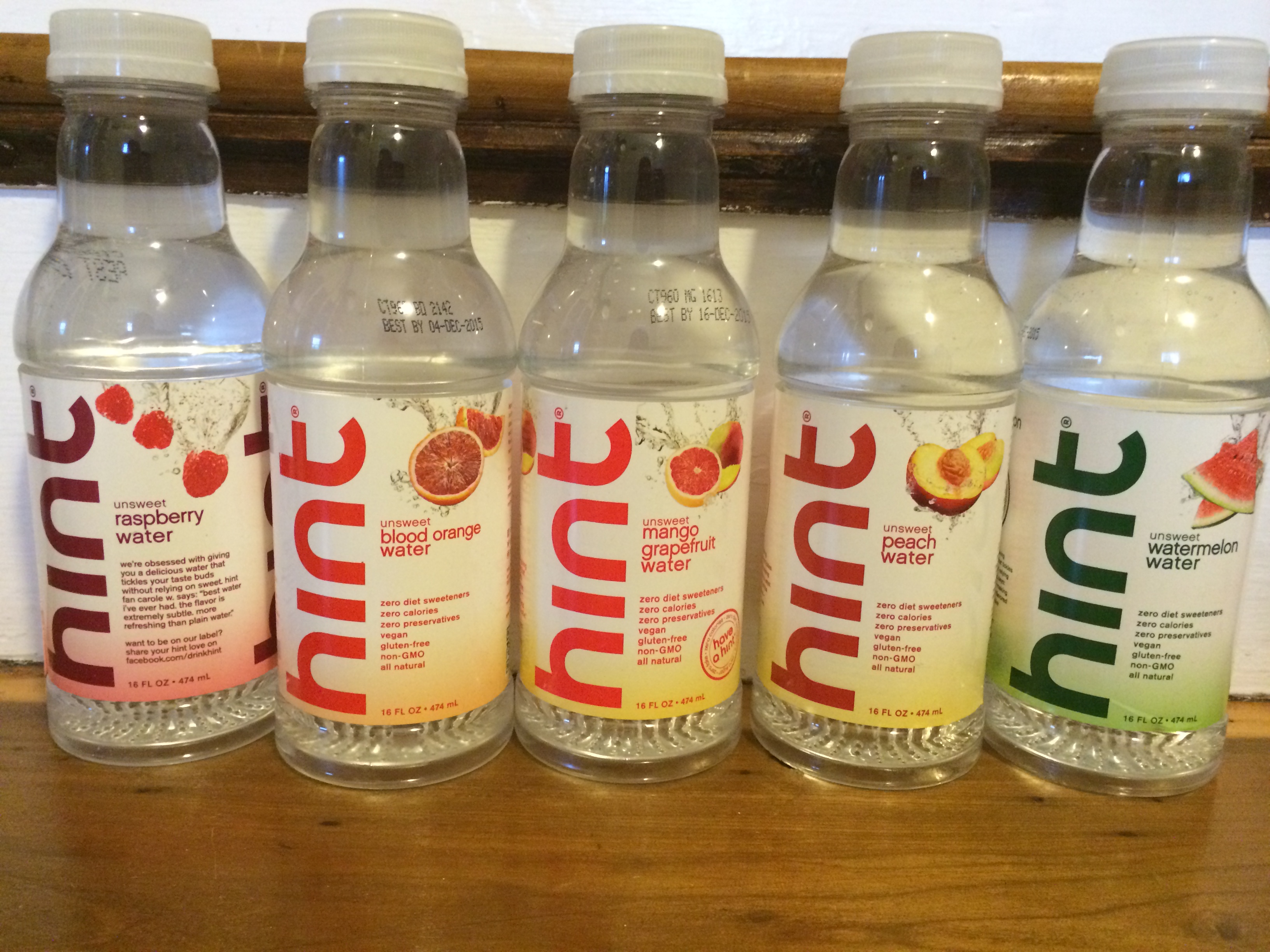
Hydrating Foods and Nonwater Sources. Hydration does not begin and end with a water bottle. Many everyday foods are inherently water rich and slow release, supporting steady fluid availability. Think crisp cucumbers, leafy greens, berries, citrus, melons, tomatoes, yogurt, and soothing soups or stews. These foods deliver electrolytes, fiber, and micronutrients alongside water, helping your body retain and use fluids effectively. A bowl of oatmeal or a hearty salad can move your hydration needle as meaningfully as a glass of water. Among beverages, options like milk, diluted juices, and sparkling water can play a role, depending on your preferences and goals. Be mindful that heavily sweetened drinks stack extra calories without adding much benefit, while alcohol tends to increase fluid losses; if you choose it, balance with water and food. Build your day around a mix of water, hydrating foods, and sensible beverages, and you will cover your bases with ease and enjoyment.
Thirst Cues: Too Late or Just in Time. Another common claim is that thirst arrives only after you are already dehydrated. In reality, for most healthy adults at rest, thirst is a remarkably accurate, timely guide. Where it can fall short is during prolonged focus, intense exercise, hot environments, or situations that blunt body awareness. In those cases, proactive sips and routine check-ins become helpful. Simple anchors work well: a glass with meals, refilling your bottle during breaks, or pausing for a few gulps after bathroom visits. Listen for subtle cues like a dry mouth, flagging energy, or a mild headache, and cross-check with urine color. Avoid the urge to force chugging large volumes; steady, comfortable drinking is easier on digestion and better matched to your body's needs. Before workouts or long outings, start reasonably hydrated, then sip to thirst during activity. This practical rhythm supports clarity, performance, and comfort without turning hydration into a chore.
Electrolytes: When You Need Them, When You Do Not. Not every sip requires electrolytes. For everyday living, typical meals provide adequate sodium, potassium, and magnesium, and plain water is usually enough. You may benefit from added electrolytes when conditions increase sweat and losses: long or intense exercise, hot or humid weather, layered clothing, or heavy work outdoors. Illness with vomiting or diarrhea can also boost needs. Look for signs such as persistent fatigue, dizziness, muscle cramps, or unusually dark urine alongside high sweat rates. In these scenarios, a balanced approach helps: water plus salty foods, or a purpose made drink with moderate carbohydrate and electrolytes. Be cautious with ultra sugary options that can upset your stomach or overshoot your goals. More is not always better; oversupplying sodium is unnecessary for light activity. Aim for balance, pay attention to personal response, and adjust based on duration, intensity, and environment.