How Streaming Changed the Way We Watch
Streaming turned schedules into choices, made binge-watching mainstream, rewrote business models, and reshaped how, where, and why we watch.
From Schedules to Streams
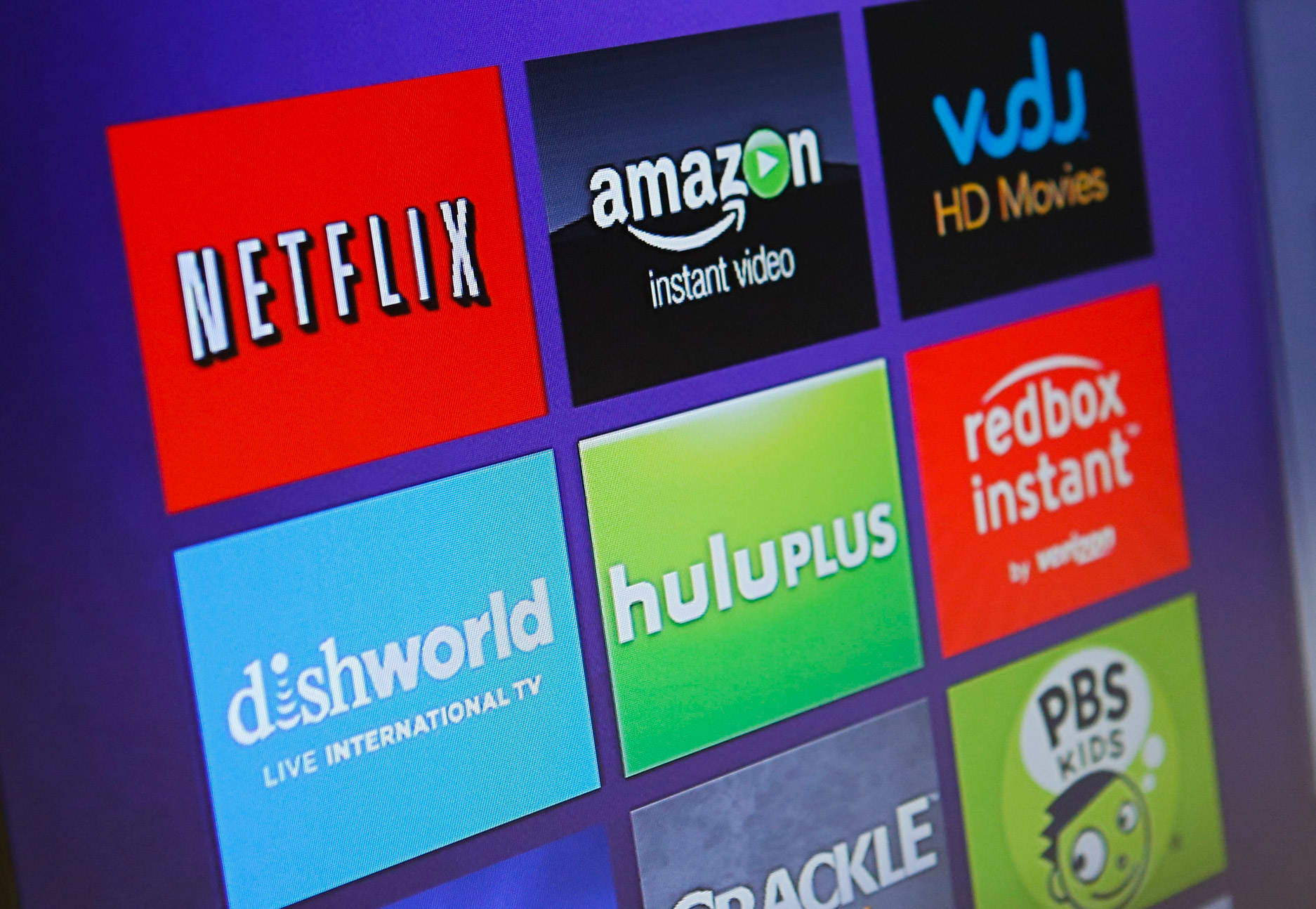
Streaming turned entertainment from an appointment into an experience shaped by the viewer. Instead of rearranging evenings around broadcast slots, audiences now lean into on-demand control, pressing play at the moment that suits them and pausing life without missing a beat. This flexibility extends across devices, enabling anytime, anywhere viewing that slips between living rooms, commutes, and late-night wind downs. The interface replaced channel surfing with search, curated rows, and category paths that feel like guided tours through vast libraries. A single profile can track progress, remember preferences, and pick up from the exact second where a session stopped, making long stories more approachable. Even attention spans benefit from this elasticity, with viewers choosing quick snackable clips or feature-length immersion. The result is a cultural shift in habits and expectations: people expect immediacy, seamless playback, and frictionless access. Streaming has not only redefined when we watch, but also how effortlessly we move through worlds of film, series, and live moments.
The Binge-Watching Phenomenon
Binge-watching took hold as entire seasons arrived ready to be devoured in a single sweep. Storytellers responded by crafting arcs with continuity, cliffhangers, and a momentum that rewards sustained attention. Characters evolve with layered beats that land more powerfully when consumed back to back, and small callbacks feel richer without weeklong gaps. Audiences, in turn, exercise pacing autonomy: some savor one episode a night, others power through a saga in a weekend. The effect can enhance emotional investment, as plot mechanics, motivations, and themes cohere into a more vivid tapestry. It also changes social rhythms. Friends coordinate personal marathons or set mutual checkpoints to avoid spoilers, and discussion shifts from episodic gossip to holistic analysis. Creators experiment with limited series, anthologies, and variable runtimes that better suit serial immersion. Binge culture underscores a new contract between makers and viewers, one where momentum and freedom meet to produce deeper engagement and more memorable narrative journeys.
Personalization and Discovery
Personalization has become the invisible concierge of modern entertainment. Recommendation algorithms read subtle signals like watch time, pauses, replays, and genre hops to infer taste, then surface options tailored to the moment. Instead of a one-size-fits-all guide, viewers scroll through micro-genres and mood-based categories that reflect the texture of their interests, from slow-burn mysteries to colorful family adventures. Dynamic artwork, curated rows, and collaborative filters help unknown gems rise alongside hits, amplifying the long tail and widening cultural horizons. Profiles support households with distinct habits, while watchlists reduce decision fatigue. Editorial collections coexist with machine learning, combining human context with data-driven hunches for a balanced discovery flow. This blend empowers audiences to explore safely outside comfort zones, sampling international titles, documentaries, and experimental formats at low risk. The result is a cycle where curiosity is rewarded, libraries feel alive, and viewers find something that fits not just who they are, but how they feel right now.
The New Era of Creation and Choice
Streaming reshaped not only consumption, but the very way stories are made and funded. With direct-to-viewer platforms, originals and exclusives can take creative risks, targeting passionate communities that were previously underserved. Short runs, flexible episode lengths, and format experimentation let creators focus on rhythm over rigid time slots, yielding sharper pacing and more distinctive voices. Global distribution now arrives almost simultaneously, so a heartfelt drama or quirky comedy can find an audience across borders, while local productions celebrate regional identity with broader reach. Data-informed greenlights help identify niches, yet the best work still thrives on vision and craft. Viewers experience unprecedented choice, though they also navigate fragmented catalogs and decide which services match their tastes. This dynamic encourages healthy variety, with prestige storytelling alongside comfort-view favorites, live specials next to interactive narratives. In this ecosystem, innovation is not a novelty; it is the baseline expectation, and audiences are the ultimate beneficiaries of this creative expansion.
Social Viewing, Community, and Access
Even solitary streaming feels social now. Group watch features, synchronized playback, and lively chats recreate the couch vibe across distance, fueling shared reactions and instant debriefs. Cultural moments ripple quickly, as memes, theories, and fan art build communities around characters and worlds. Spoiler etiquette becomes a new social contract, balancing enthusiasm with respect for others pace. Second-screen habits flourish too, with trivia dives, behind-the-scenes notes, and creator interviews enriching the main event. Accessibility has leaped forward: subtitles, closed captions, dubbing, and audio description invite more people into the story, while customizable text and contrast options reduce barriers. Offline downloads support travel and spotty connections; kids profiles and content controls create safer spaces for families. Perhaps most transformative is the sense of proximity: premieres can land everywhere at once, uniting dispersed audiences in conversation. Streaming did not just change how we watch; it changed how we watch together, turning screens into dynamic hubs for community and connection.