From Script to Screen: The Journey of a Blockbuster
From pitch to premiere, discover how ideas become tentpole films: writing, financing, casting, production, VFX, marketing, and release strategy.
Spark to Script
Every blockbuster begins as a spark of imagination, refined into a disciplined screenplay that can carry audiences from first frame to final scene. Writers craft a tight logline, expand it into an outline, and map a beat sheet that balances character arcs, stakes, and theme. Memorable set pieces are planted early, but they serve story rather than overshadow it. Dialogue is tuned for subtext, action lines stay lean, and research deepens authenticity, whether the tale unfolds in a grounded neighborhood or a fantastical realm. Table reads expose pacing issues, while script coverage from producers and peers shapes revisions without sanding away the writer's voice. Throughout, the story remains visually driven, anticipating how a director and cinematographer might translate emotion into images. Budget awareness informs scale, yet ambition remains intact through smart choices. With a compelling draft in hand, rights are secured, a producer attaches, and the project becomes a package that invites directors, talent, and partners to imagine its potential.
Pre-Production and the Greenlight
With creative momentum, producers model costs and revenue scenarios to secure the greenlight. Once approved, pre-production becomes a sprint of decisions and design. Line producers and assistant directors break down the script into a schedule, while department heads anchor a realistic budget. Casting directors manage auditions and chemistry reads to find performances that elevate the page. The production designer collaborates with the cinematography team to define a visual language through mood boards, storyboards, and previsualization, aligning set builds and locations with narrative needs. A VFX supervisor and stunt coordinator plan complex sequences early, ensuring safety and technical feasibility. Tech scouts unite departments on logistics like power, sound, and movement. Legal clearances, insurance, and union guidelines set guardrails, while a production bible documents creative intent and workflows. Risk assessments yield contingency plans for weather, schedule slips, or equipment issues. By the end of this phase, the film has a blueprint, a crew, and a shared North Star.
On Set: Turning Pages into Pictures
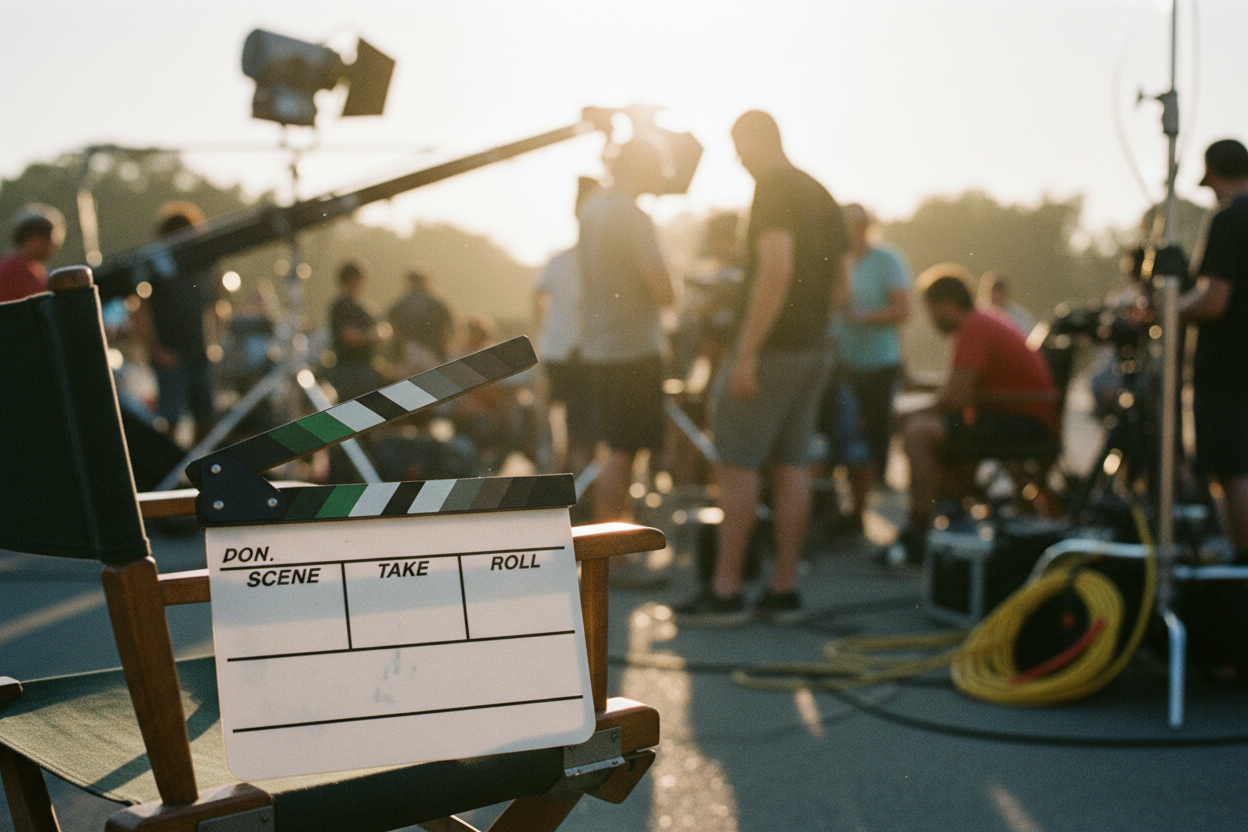
When cameras roll on principal photography, meticulous planning meets live improvisation. The day starts with a call sheet and a safety meeting, followed by rehearsals that settle blocking and rhythm. Directors pursue truthful performances while the DP shapes mood with lenses, framing, and light. Detailed shot lists and coverage strategies ensure the edit will have options without wasting precious minutes. The sound team protects clarity at the source, capturing production audio and room tone. Stunts and practical effects are engineered with layered protection, so spectacle never compromises people. A script supervisor maintains continuity, tracking props, wardrobe, and eyelines. Dailies reveal what works, prompting agile adjustments for the next setup or day. Second-unit teams gather inserts and action beats that enrich scale. Weather, traffic, and human variables demand flexibility, but the goal remains constant: honor the story's intent while elevating it through inventive craft. At wrap, media is secured, notes are archived, and the next day's plan tightens.
Post: Where the Film Finds Its Rhythm
In post, the movie discovers its voice. An editor assembles a rough cut, chiseling toward a fine cut and picture lock where scenes land with precision. Detailed sound design adds depth and momentum, while ADR and Foley polish clarity and texture. A composer and music editor shape the score, balancing themes with moments of silence that let performances breathe. Color grading unifies the look, guiding emotion with contrast, saturation, and highlight detail. The visual effects pipeline integrates seamlessly, from tracking and compositing to simulations that enhance, not overwhelm, reality. Producers and creatives monitor quality control across formats, subtitles, captions, and accessibility. Test screenings inform pacing tweaks and clarify character motivations; pickups may address gaps uncovered in the edit. Final mixes deliver theatrical and home versions, and titles, credits, and legal deliverables are locked. What began as pages now breathes as a cohesive experience, calibrated for impact in every frame and frequency.
Launch: Reaching the Audience
A blockbuster's final act unfolds in marketing and distribution, where storytelling meets strategy. Campaigns establish brand voice through trailer cutdowns, teasers, and featurettes, supported by poster art that captures tone in a single image. Publicity energizes awareness with interviews, fan events, and a celebratory premiere. Partnerships and experiential activations turn moments into must-see signals. Distributors tailor release plans, deciding between platform rollouts or broad openings, coordinating a global release calibrated to seasonal habits and competition. Localization through dubbing and subtitling preserves intent across languages, while ratings boards and cultural checks ensure fit. Tracking guides media spend as awareness converts to intent and tickets. Early reactions fuel word of mouth, a vital engine that sustains momentum beyond opening weekend. Downstream windows—home entertainment and streaming—extend reach and revenue. If the world connects, merchandising, games, and spin-offs nurture a broader franchise, and post-mortems feed lessons into the next bold journey from script to screen.