Everyday Stress Relief Techniques That Actually Help
Practical, science-backed ways to calm your body and mind fast—from 60-second breathing resets to mini-routines you can use anywhere.
Quick Breath Resets
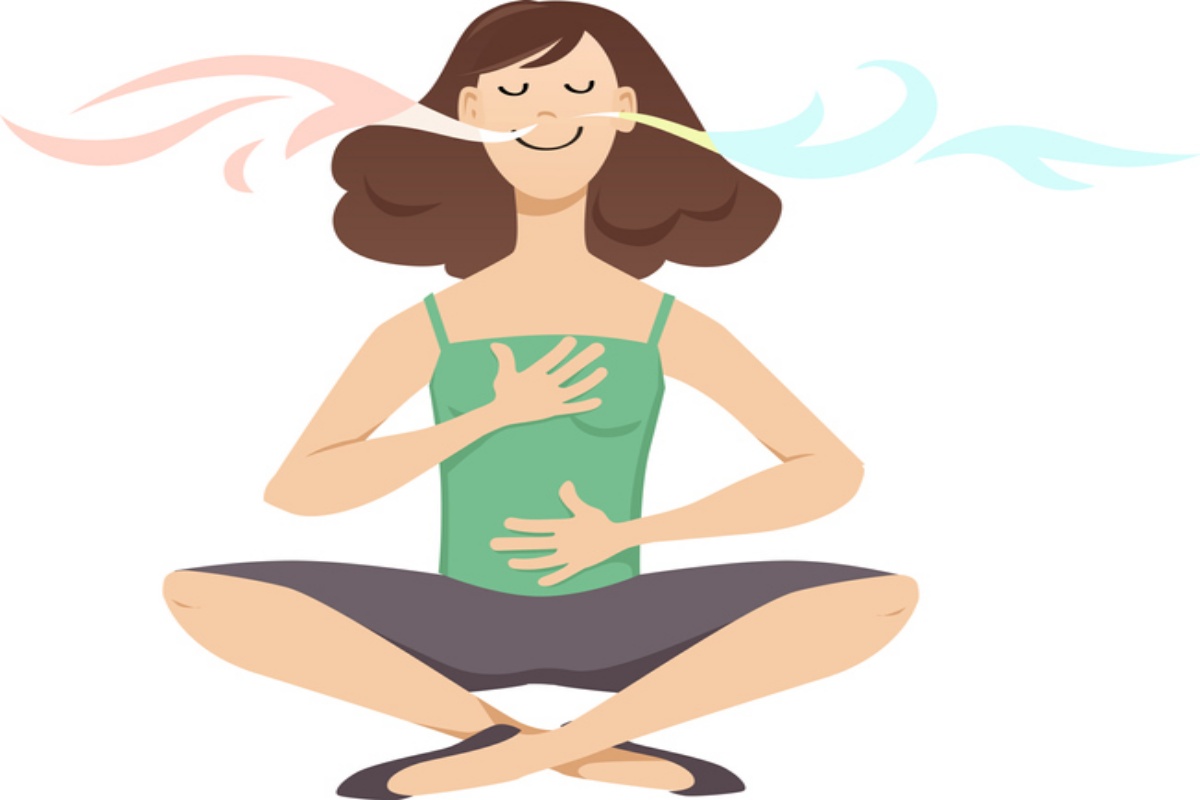
When stress spikes, the fastest lever you can pull is your breath. Start with diaphragmatic breathing: sit tall, soften your jaw, and exhale fully so your ribs drop. Inhale through your nose and let your belly and lower ribs expand like an umbrella opening. Aim for a longer exhale than inhale; for example, inhale to a gentle count of four and exhale to six. This ratio nudges your body toward a calmer, steadier state. Try box breathing—inhale, hold, exhale, hold for equal counts—to steady a racing mind. Or use the simple physiological sigh: take a deep nasal inhale, add a quick top-up sip of air, then release a long, slow sigh through the mouth. Repeat a few times. Pair these with everyday cues—opening your laptop, stepping outside, or washing your hands—so the habit sticks. Keep shoulders relaxed, breathe low, and let the exhale do the quieting work. Even a minute of intentional breathing can refresh your focus and mood.
Release Tension Anywhere
Many people carry hidden tension in the jaw, neck, shoulders, and hips, which quietly drains energy. Use a quick tension scan: raise your eyebrows, drop them, unclench your jaw, and let your tongue rest on the floor of your mouth. Lower and widen your shoulders. Try progressive muscle relaxation: gently tighten a muscle group for a few seconds, then release for longer, noticing the contrast. Move from fists to forearms, shoulders, face, and legs. Add tiny mobility resets like shoulder rolls, open-and-close hand spreads, ankle circles, and a slow head turn within a comfortable range. Stretch your chest in a doorway, rotate wrists between tasks, or stand and reach tall after long sitting. Warm palms over closed eyes for a few breaths to soften screen strain. Set friendly reminders—water breaks double as microbreaks—to interrupt stiffness. You are teaching your nervous system that your body is safe to soften. Over time, these small releases add up to real relief.
Move to Change Your Mood
Movement is a practical antidote to mental noise. You do not need a full workout; you need consistent, bite-size activity. Stand up, shake out your limbs, and take a brisk walk around the block or down the hall. Let your arms swing and your gaze lift to widen your attention. Try a few flights of stairs, a handful of squats, or a one-song dance break to re-energize. Notice how posture shifts affect your outlook—tall spine, open chest, and relaxed shoulders often mean a clearer head. When possible, step into daylight and let your eyes take in the horizon; this naturally encourages deeper breathing and a steadier pace. Scatter movement across your day: walk during calls, park a little farther, or stretch between tasks. Micro-bursts heighten alertness without leaving you depleted. Think rhythm, not rigor. The goal is to change your state, not chase perfection. Even five minutes can reset stress chemistry and help your brain refocus.
Tame Your To-Do List
Stress swells when cognitive load outgrows our working memory. Empty your head onto paper or a simple notes app to externalize the swirl. Then, slice tasks into next actions: instead of ‘finish report,' try ‘outline three bullet points.' Use the two-minute rule to dispatch quick wins and lower friction. Protect focus with single-tasking: silence notifications, choose one target, and set a short timer. Try time boxing—assign a clear window for deep work and another for admin. Build buffers before and after meetings so you can transition without rushing. If a task stalls, write an if-then plan: if I get stuck, then I will draft the first messy line. Say a clean no when needed; every yes borrows future attention. End the day by choosing tomorrow's top three priorities. You are not managing time—you are managing energy and attention. Clear, bite-size next steps keep momentum rolling and stress in its lane.
Reframe the Story
Much of stress comes from the lens we use. Cognitive reframing helps you step back and ask, what else might be true? First, label the emotion—name it to tame it—and note where you feel it in your body. Then challenge the thought with curious questions: Is this permanently awful, or temporarily hard? Is it global, or just one area? What is within my control today? Trade all-or-nothing language for gradients: not failure, but progress in motion. Practice self-compassion by adopting your best-friend tone—encouraging, honest, and on your side. Try a quick gratitude pivot: list one thing that is working, one resource you have, and one small action you can take. Write worries down to reduce mental looping. When you reframe, you are not sugarcoating; you are refining your map so it matches the territory. Over time, this builds a growth mindset that turns setbacks into data rather than verdicts.
Sensory Grounding and Mini Mindfulness
When your mind races, come back to the senses. Try the 5-4-3-2-1 technique: notice five things you can see, four you can feel, three you can hear, two you can smell, and one you can taste. Move slowly; let details emerge. Hold a grounding object like a smooth stone, pen, or mug, and track its texture and temperature. Rinse wrists with cool water or savor a warm compress to reset your state through temperature shifts. Sip water or tea mindfully—observe the aroma, warmth, and swallow. Practice breath awareness for a minute, focusing on the cool inhale at the nostrils and the warm exhale. Choose a visual anchor—a plant, a window view, a photo—and rest your gaze there to widen perspective. These micro-practices are portable, stigma-free, and surprisingly potent. They signal presence to your nervous system, reduce spirals, and reclaim a sliver of calm even on a noisy day.
Sleep and Daily Rhythms
Reliable sleep is a daily stress vaccine. Aim for a consistent wake time, even on weekends, to anchor your internal clock. Create a gentle wind-down ritual: dim lights, tidy your space for two minutes, and swap stimulating screens for a book or light stretching. Get morning light when possible and curb late caffeine to support a natural rhythm. Try a digital sunset—park devices outside the bedroom and charge them away from reach. Keep your sleep environment cool, dark, and quiet; think simple, not sterile. If worries pop up at night, do a quick worry dump on paper, then return to bed with a slow, lengthened exhale. Consistency beats intensity: small, repeated cues teach your body when to be alert and when to unwind. Protecting sleep is not indulgent—it is foundational health care that sharpens focus, steadies mood, and raises your stress tolerance for tomorrow.
Connect and Recover
Humans regulate stress together. Seek social support through small, regular touchpoints: a quick check-in, a shared laugh, or a brief walk with a colleague. Ask for help early and offer it freely; reciprocity builds trust and eases load. Set healthy boundaries—you can be kind and clear—so recovery time is not an afterthought. Sprinkle in joyful micro-doses: a favorite song, a few pages of a novel, sunlight on your face, or a minute with a pet. Explore hobbies that absorb attention without pressure. Keep basics steady: hydration, balanced meals with protein and fiber, and gentle movement. Laughter, music, and nature are straightforward nervous system allies. End days with a brief reflection—what worked, what to try tomorrow—to close loops and reduce rumination. Recovery is a skill, not a reward. Treat it as essential maintenance, and everyday stress becomes more manageable, your mood more resilient, and your energy available for what matters most.