Deep Focus, Light Mind: Guard Your Attention in a Noisy World
In an economy built to hijack attention, learn rituals and systems that protect deep focus, lighten mental load, and help you do your best work.
Lower the Noise Floor
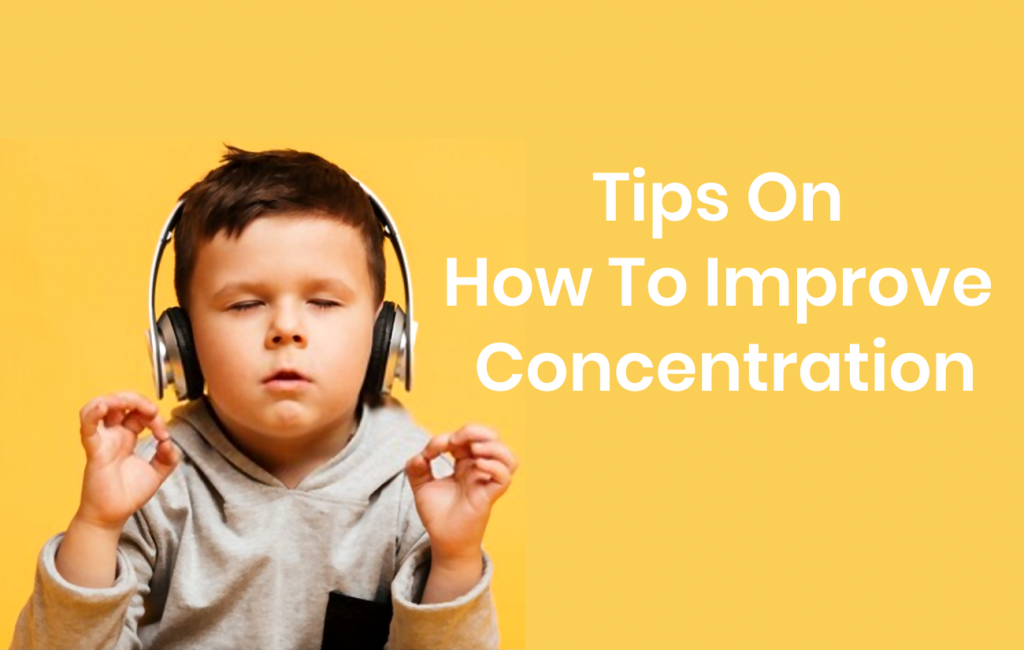
Your attention is a finite resource, and the modern environment is designed to harvest it. Start by lowering the noise floor of your day. Prune inputs: silence nonessential notifications, archive newsletters into a reading queue, and keep a single capture place for ideas so your brain is not forced to juggle fragments. Simplify your space; visual clutter is cognitive clutter. A clear desk, a neutral background, and consistent lighting reduce unconscious scanning that drains mental energy. Establish boundaries that are easy to follow, such as work zones for deep tasks and separate spaces for communication. Use headphones or a consistent sound texture to mask erratic noise. Before you open a device, set an explicit intention and name your next small action. When the environment stops shouting, your mind stops bracing. That relief becomes reclaimed bandwidth you can invest in focus, creativity, and meaningful progress.
Prime for Deep Work
Great output starts before you sit down. Build attentional rituals that prime your brain for deep work. Begin by writing a crisp statement of outcome for the upcoming block and restrict scope to one problem. Gather everything you will need, from reference notes to water, to remove excuses for micro-leaving the task. Create a short pre-focus routine: two minutes of breathing, a stretch, or reviewing the plan. Then enact a visible start line, such as closing the door, enabling do not disturb, and placing your phone face down out of reach. Practice monotasking: one window, one document, one objective. Keep a capture pad nearby for intrusive thoughts; parking them preserves momentum and reduces attention residue. End with a brief shutdown ritual, logging what moved, what stalled, and the very first action for next time. These bookends train your brain to enter and exit focus states cleanly and predictably.
Tame Your Tools
Your tools should amplify clarity, not multiply distraction. Reduce digital surfaces by consolidating apps that duplicate functions. Disable red badges and limit home screen icons to essentials. Switch to full-screen modes to starve context switching, and group work by environment: research in one session, drafting in another, review and messaging in a separate window set. Treat the browser like a workshop, not a carnival; keep a minimal number of tabs and pin only the active ones. Use read-later or note capture to triage interesting finds without derailing the task at hand. Learn a handful of keyboard shortcuts to shrink friction. When possible, work offline or in airplane mode for planned stretches. Store templates for recurring tasks so you never start from a blank page. By designing defaults that make the right action the easy action, you convert willpower into system design and reclaim hours otherwise lost to digital drift.
Train the Inner Gatekeeper
External noise is only half the battle; the other half is the mind's impulse engine. Build metacognition by noticing the moment a distraction arises. Label it briefly, breathe once or twice, and return to the next small step on your plan. Use implementation intentions: if a craving to check appears, then write it on the capture pad and continue until a natural break. Practice urge surfing for ninety seconds; impulses crest and fall when observed calmly. To prevent rumination, clarify your task definition and success criteria before you start, shrinking ambiguity that invites escape. When stuck, lower the bar to a micro action, like drafting the first messy paragraph or sketching three bullet-level ideas. Short, mindful resets protect from attention residue after interruptions. Over time you become less reactive, more responsive, and your sense of agency strengthens. The inner gatekeeper is a muscle; repetition makes staying with what matters feel natural.
Guard Energy, Not Only Time
Time on the calendar does not equal energy in the mind. Map your natural peaks and valleys, then place cognitively heavy work where your alertness is strongest. Protect that window with firm boundaries and lighter obligations elsewhere. Manage cognitive load by batching similar tasks, pre-deciding routine choices with templates or checklists, and limiting daily priorities to a vital few. Prepare your workspace before you need it: open the right files, line up reference materials, and close irrelevant loops. Use brief, rhythmic breaks to avoid sliding into autopilot; step away, move your body, or breathe with your eyes off screens. Hydration, light, and posture are small hinges that swing big doors for clarity. End each day with a two-minute reset: tidy the desk, park open loops, and script your first move for tomorrow. When you honor energy like a budget, your work becomes steadier, sharper, and more humane.
Review, Renew, and Play
Sustained focus depends on feedback and recovery. Run simple reviews to see what worked: which environment, which ritual, which time of day. Track lagging indicators like stress and leading indicators like session quality. Adjust one variable at a time so gains stick. Pair intensity with deliberate rest. Take walks without audio, allow boredom to stretch your attention span, and engage in tactile hobbies that move the hands and quiet the screen reflex. Celebrate small wins; momentum compounds when noticed. Refresh your system regularly by decluttering tools, archiving old notes, and pruning commitments that no longer serve your priorities. Reconnect with purpose by asking which tasks truly advance your best work and which merely simulate progress. Play is not a luxury; it is cross-training for a light mind. When review and renewal are built in, you can guard your attention without grinding it down.