Cross-Training Ideas to Break Plateaus
Stuck in a workout rut? Use smart cross-training—strength, mobility, and cardio swaps—to spark new gains, protect joints, and enjoy training again.
Why cross-training breaks plateaus. When progress stalls, your body has adapted to the same repeated stress, and improvement slows. Strategic cross-training introduces fresh stimuli that challenge new energy systems, recruit different muscle fibers, and refresh your nervous system. Shifting from repetitive motions to varied patterns enhances movement quality and reduces overuse risk while preserving your hard-earned base. For example, a runner who adds rowing or strength circuits can improve posture, glute activation, and core stability, all of which support faster, more resilient strides. Cross-training also re-ignites motivation, targeting the mental side of a plateau with novelty and measurable wins. The key is alignment: select activities that complement your primary goal without drowning it. Pair similar intensities and alternate high-impact with low-impact sessions. Track rate of perceived exertion and recovery, not just mileage or load. With a plan that blends variety and intention, you transform a stall into a springboard for progress in sports and fitness.
Low-impact endurance with swim and row. To build aerobic capacity without pounding your joints, rotate in swimming and rowing. Both demand full-body coordination, emphasizing posterior chain drive, rhythmic breathing, and steady pacing. In the pool, focus on relaxed exhalations underwater, long strokes, and controlled turns; alternate easy laps with short threshold efforts to nudge your lactate clearance while staying joint-friendly. On the rower, think legs-first, then hips, then arms, keeping a tall torso and smooth recovery. Structure sessions with intervals like 3 minutes moderate, 1 minute brisk, repeating for consistent volume. Use RPE to guide effort: conversational for base, breathy but steady for tempo. These modalities complement running, cycling, or field sports by enhancing cardiorespiratory endurance and scapular stability. They also make great active recovery: light technique sets flush fatigue while reinforcing efficient movement, helping you return to your primary discipline fresher and more consistent.
Power and speed work to spark adaptation. If your lifts or runs feel flat, weave in plyometrics and sprint variations to train rate of force development. Short, crisp bursts teach your body to recruit high-threshold motor units, improving acceleration and athletic pop. Start with low-impact hops, skips, and bounding, prioritizing soft landings, stacked joints, and minimal ground contact. Progress to box jumps, medicine ball throws, and hill sprints, which naturally temper impact while reinforcing posture. Keep volume modest and quality high: clusters of 3 to 6 explosive reps, long rests, and full intent. Warm thoroughly with mobility, activation, and technique primers, and finish before fatigue erodes mechanics. Pair this with your main sport on days when you're fresh; avoid adding it to exhaustive endurance blocks. Track jump height, sprint splits, or throw distance occasionally to confirm you're moving faster, not just working harder. Smart power training breaks stagnation by teaching your system to produce more with less.
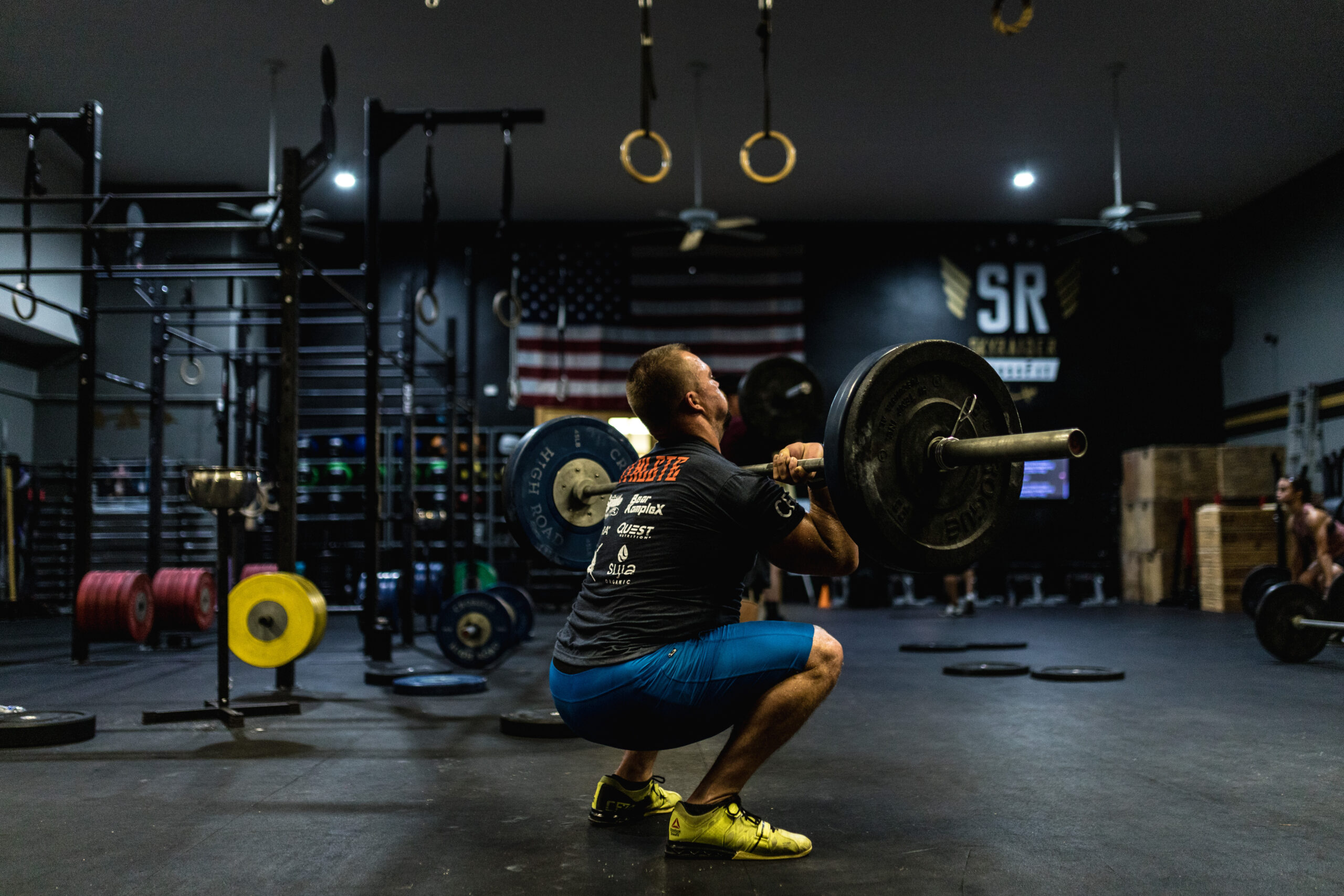
Strength transfers with kettlebells and bodyweight. For versatile, joint-smart strength, blend kettlebell staples with bodyweight mastery. Swings groove powerful hip extension and posterior-chain endurance, while the Turkish get-up stitches together shoulder stability, core control, and multi-planar coordination. Add goblet squats, single-leg deadlifts, pull-ups, push-ups, and rows to cover fundamental patterns. Use complexes that flow from one move to the next, sustaining effort without beating up joints. Keep technique crisp: neutral spine, packed shoulders, and smooth tempo. Manipulate time under tension, pauses, and unilateral work to target weak links and improve anti-rotation strength that carries over to running, cycling, and court play. When equipment is limited, tempo push-ups, pistol progressions, and inverted rows deliver potent stimuli. Aim for a blend of strength sets and power-endurance circuits, respecting recovery. This toolkit builds resilient, transferable capacity that feeds directly into your primary sport performance.
Mobility and stability reset for durable performance. Flexible tissues need strength to be useful, and strong tissues need mobility to express power safely. Practices like yoga and Pilates integrate breath, alignment, and controlled ranges of motion, rebalancing patterns that repetitive training often skews. Use slow flows to open hips, thoracic spine, and calves, then layer in isometric holds and end-range control to cement new ranges. Emphasize diaphragmatic breathing to downshift your nervous system, enhancing recovery and movement awareness. Prioritize sequences that target ankles for better stride mechanics, hips for rotational sports, and shoulders for overhead stability. Ten to twenty minutes post-workout or on active recovery days can unwind stiffness without sapping energy. Combine soft-tissue prep with controlled articular rotations and light core drills like dead bugs or side planks to integrate gains. The result is smoother technique, fewer aches, and a bigger runway for progressive overload without setbacks.
Skill mixers for agility, balance, and coordination. Plateaued performance often hides coordination bottlenecks. Inject agility, balance, and reaction work to sharpen the brain-body loop. Simple tools deliver: jump rope for timing and elasticity, ladder drills for footwork, and cone patterns for change of direction. Alternate predictable sequences with reactive cues to challenge decision speed under movement. Add single-leg tasks like hop-to-balance or skater strides to refine lateral stability, then integrate perturbations with bands or partner taps to stress-test posture. For team sports, include shuffle-sprint decelerations and curved runs; for endurance athletes, sprinkle strides and quick-feet bursts after easy sessions to teach turnover. Keep reps short and snappy, resting enough to maintain crisp quality. This neural seasoning improves efficiency, trims wasted motion, and expands your movement vocabulary, making your primary training feel lighter and more controlled while reducing the micro-errors that accumulate into fatigue.
Programming and recovery integration that sticks. The magic is in the mix. Anchor your week around your primary goal, then slot cross-training to complement—not compete with—key sessions. Pair high-skill or speed work with days you're freshest, and use low-impact modalities on in-between days to build volume without adding stress. Limit simultaneous novel loads; progress one variable at a time: intensity, volume, or complexity. Track markers like sleep quality, morning readiness, and session RPE to adjust on the fly. Protect recovery with nourishing meals, hydration, and mobility micro-doses. Rotate emphasis in short blocks to let adaptations consolidate, and schedule periodic deloads to absorb gains. A simple template might include two targeted cross-training sessions, one recovery-focused practice, and brief skill primers sprinkled before or after primary work. By aligning stimulus, recovery, and intent, you convert variety into momentum, ensuring plateaus become checkpoints rather than roadblocks.