Core Training Essentials for a Strong, Stable Body
Build a resilient core to enhance strength, posture, and performance. Master key patterns, cues, and progressions for durable, everyday stability.
Why the Core Matters. A strong core is not just about visible abs; it is the body's central link for force transfer, postural control, and efficient movement. Think of the core as a 360-degree system that includes the diaphragm, deep abdominals, obliques, spinal stabilizers, pelvic floor, glutes, and even the lats that connect into the thoracolumbar fascia. When this system coordinates well, you generate power in the hips and shoulders without wasting energy through a sagging midsection or an overarched back. A well-trained core helps maintain a neutral spine, protects against overuse, and supports smoother running, lifting, and daily tasks like carrying groceries. Rather than chasing countless crunches, focus on stability, anti-movement strength, and controlled motion in all planes. This approach builds resilience, enhances balance, and reduces the risk of tweaks during sport or work. By treating the core as a connector, not an isolated muscle group, you lay the foundation for a truly strong, stable body.
Breathing and Bracing. Effective core training starts with breathing mechanics and a reliable brace. Use diaphragmatic breathing to create 360-degree expansion through the ribs, belly, and back, stacking the rib cage over the pelvis to optimize alignment. Inhale through the nose to inflate the cylinder; exhale through pursed lips to knit the ribs down and engage the deep abdominals without aggressive hollowing. The goal is intra-abdominal pressure (IAP) that stabilizes the spine while still allowing fluid movement. A good test is feeling the lower rib cage expand sideways and backward instead of the shoulders shrugging. Think brace, not squeeze; you are building a supportive pressure belt, not locking down your breath. Practice this in low positions like croc breathing or 90-90 hip lifts, then layer it into planks, carries, hinges, and squats. With consistent bracing and breathing synergy, every rep becomes safer, stronger, and more efficient.
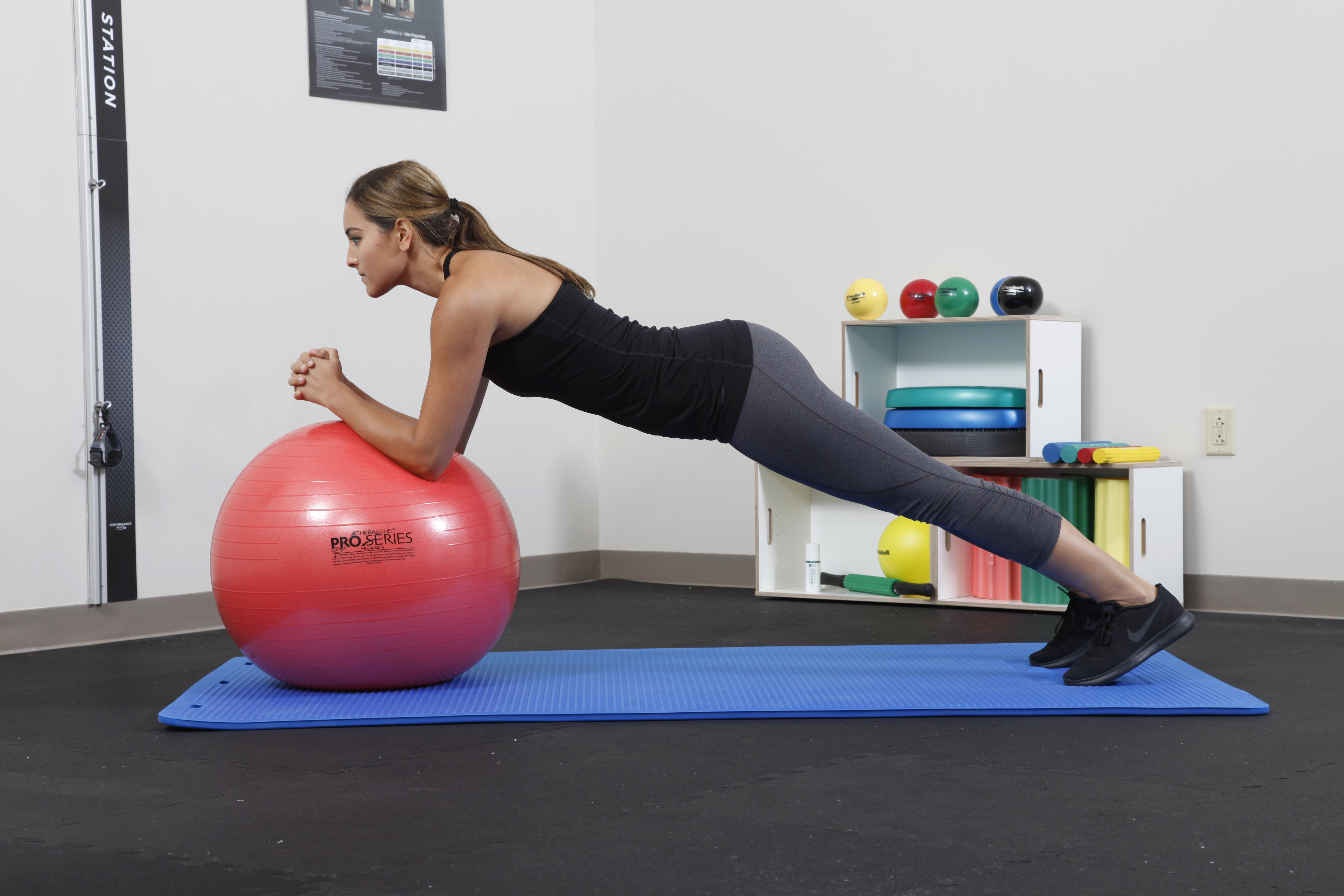
Train Stability First. Before chasing heavy loads, build anti-movement capacity: the ability to resist unwanted motion. Start with anti-extension work to prevent excessive arching, using dead bugs, front planks, and stability ball rollouts with ribs tucked and glutes lightly engaged. Add anti-rotation training like Pallof presses, half-kneeling cable holds, and plank shoulder taps to keep the pelvis and trunk quiet while the limbs move. Do not neglect anti-lateral flexion with suitcase carries, side planks, and offset farmer walks to reinforce frontal-plane control. Emphasize clean lines, steady breathing, and a long, neutral spine over time or reps; quality trumps quantity. Progress by increasing time under tension, reducing base of support, or extending levers, but only while maintaining crisp positioning. These isometrics and controlled dynamics teach your core to absorb and redirect force, laying the groundwork for safer, stronger lifting, sprinting, and change of direction without energy leaks or compensations.
Integrate the Core Into Big Lifts. The best core work often happens during full-body patterns that demand force transfer. In hinges and deadlifts, pack the lats, maintain a neutral spine, and breathe low to brace as you drive through the hips. In squats, think ribs stacked, pelvis neutral, and feet rooted with a tripod stance to stabilize from the ground up. For presses and pulls, especially unilateral variations, use anti-rotation strength to resist twisting while the arm moves. Carries are a secret weapon: farmer, suitcase, front rack, and overhead carries challenge alignment and postural endurance in motion. Use tempo control, pauses at tough positions, and staggered or split stances to increase the demand on balance and stability. Cue yourself to exhale slightly through sticking points without losing core pressure. By integrating bracing, tension, and precise positioning into compound lifts, you transform routine training into comprehensive core conditioning that shows up in sport and everyday life.
Smart Progression and Programming. Build your plan around movement quality and progressive overload. Begin sessions with a brief prep: breathing resets, gentle mobility for hips and upper back, and one or two anti-movement drills to groove alignment. In the main workout, pair compound lifts with focused core work, alternating planes and patterns to avoid fatigue overlap. Progress by manipulating load, duration, lever length, tempo, and base of support, but change only one or two variables at a time. Track what you feel, not just what you lift; steady tension, clean lines, and smooth breathing are your metrics of success. Avoid the trap of endless crunches and frantic reps; prioritize control, tension management, and consistent form under fatigue. Sprinkle in carries and rotational medicine ball work once you own the basics, keeping power crisp and technique precise. Finish with low-intensity breathing to downshift. This balanced approach yields strength, durability, and a core that performs when it counts.
Recovery, Mobility, and Daily Habits. A resilient core is built in training and maintained in life. Support your work with regular mobility for the hips and thoracic spine, especially gentle rotations, hip flexor openers, and glute activation to free the pelvis and rib cage to stack well. Walk often to reinforce natural contralateral patterns and low-level core endurance. At the desk, adjust posture by keeping feet grounded, ribs relaxed, and head aligned over the shoulders, taking movement breaks to reset. Prioritize sleep, hydration, and balanced nutrition to fuel tissue repair and maintain training quality. During recovery days, practice light breathing drills, easy carries, or flow-based movements that integrate stability with suppleness. Watch for signs of over-bracing, such as jaw tension or shallow chest breathing, and recalibrate with slow exhales. Consistency with these small, daily choices amplifies your gym work, helping your midline stay both strong and responsive under any demand.