A Gentle Introduction to Yoga for Wellbeing
Discover a calm, beginner-friendly path to yoga. Learn benefits, simple poses, breathwork, and tips to build a safe, nourishing practice.
Starting Where You Are
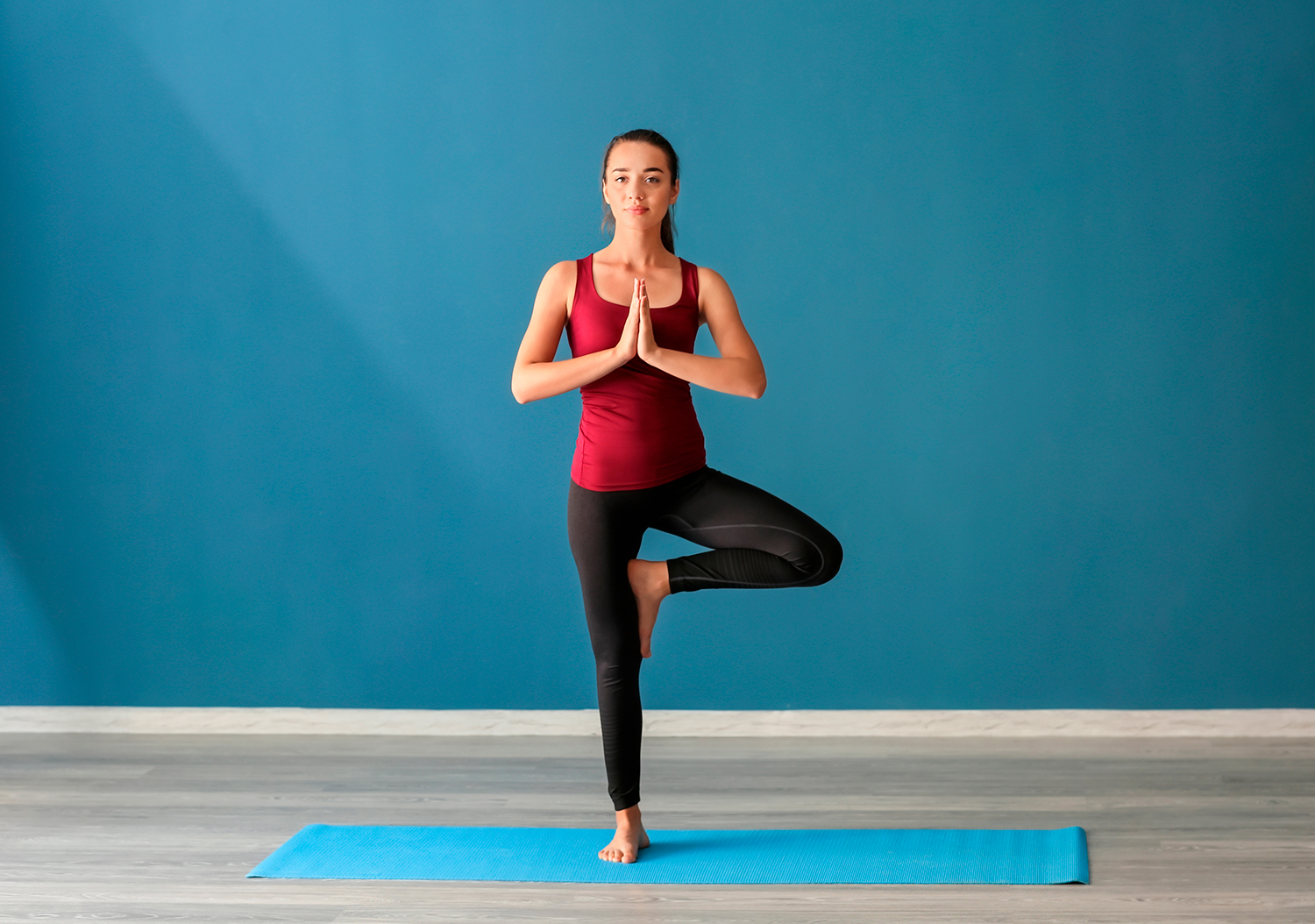
Yoga for wellbeing begins with a simple promise to meet yourself kindly, exactly where you are. Rather than chasing intensity, a gentle approach emphasizes ease, awareness, and steady progress. Choose a quiet corner, a mat or towel, and comfortable clothing. Set a brief intention, such as cultivating calm, mobility, or focus. As you move, notice the difference between productive sensation and pain, and honor your limits. Consistency matters more than duration; even short, regular sessions can support stress management, posture, joint health, and sleep quality. Think of yoga as cross-training for the nervous system: slow breathing and mindful movement invite the body to shift from tension to restoration. Over time, you may find your balance steadier, your breath deeper, and your mood more resilient. Keep your gaze soft, your jaw relaxed, and your breath smooth. These small details signal safety to the body, turning practice into a daily ritual of self-care and gentle strength.
Breath as Your Guide
Your breath is the simplest and most powerful teacher. Begin with diaphragmatic breathing: place one hand on the belly and one on the ribs, inhale through the nose to expand outward, then exhale slowly to soften and return. Try a steady count, such as a smooth inhale followed by a slightly longer exhale, to encourage nervous system regulation. If you prefer structure, experiment with calm box breathing by inhaling, holding softly, exhaling, and resting at the bottom with equal counts. Keep the jaw unclenched and the tongue relaxed to reduce tension. Let the breath be your metronome for movement: inhale to lengthen or lift, exhale to fold or ground. If the breath becomes choppy, pause, reduce the effort, and rebuild ease. Over time, this relationship with breath supports focus, circulation, core stability, and emotional steadiness, turning each pose into a conversation rather than a demand.
Foundational Poses Made Simple
Gentle yoga thrives on reliable, nourishing shapes. In Mountain Pose, stand tall with feet grounded, legs engaged, pelvis neutral, ribs soft, and shoulders relaxed; imagine a thread lifting the crown of your head. Move into Cat and Cow on hands and knees to articulate the spine, easing stiffness and building mobility. Rest in Childs Pose with knees wide or together, supporting the head with a pillow to soothe the back and calm the mind. A Low Lunge opens the front of the hips; pad the back knee and keep the torso long to avoid strain. A supported Bridge strengthens the back line of the body; press evenly through the feet and keep the neck relaxed. Use props like blocks, a strap, or a chair to invite comfort and alignment, turning challenge into curiosity. Avoid forcing range; guide it with breath, intention, and playful exploration so that joints feel stable and tissues feel cared for.
Designing a Gentle Routine
Create a simple flow that honors balance between effort and ease. Begin seated or standing with two minutes of centering breath, then warm the wrists, shoulders, hips, and ankles with slow circles. Move through Cat and Cow, Childs Pose, and a few rounds of Low Lunge to wake the hips. Transition to Mountain, then alternate Forward Fold and Half Lift to lengthen the back line. Try a supported Downward Dog at a wall or table to decompress the spine without overloading the shoulders. Close with Seated Twist and a supported Bridge, then finish with legs elevated on a couch or pillow and a brief resting pose to integrate the work. Keep sessions manageable so you finish energized, not drained. Prioritize smooth breathing, unhurried transitions, and clear alignment cues. Over days and weeks, gently increase time or repetitions, but let recovery, hydration, and sleep be equal partners in your routine.
Sustaining Mindful Progress
Lasting wellbeing grows from small, compassionate choices. Track how you feel before and after practice to notice shifts in mood, energy, and comfort. Celebrate subtle wins, like a softer jaw, easier balance, or calmer reactions during daily stress. Build consistency with habit stacking: tie yoga to existing anchors such as morning tea or an evening wind-down. Curate your space with a mat left out, soft lighting, or a timer as a friendly cue. When motivation dips, shorten the session, focus on breath, or choose just two nourishing poses. Seek supportive community or qualified guidance if you need accountability or tailored options. Respect changing seasons of life and adjust intensity accordingly; steadiness beats perfection. Above all, practice nonjudgment, curiosity, and kindness. Yoga is not a performance but a relationship with your body and breath. The more thoughtfully you listen, the more your health benefits compound in quiet, meaningful ways.